

Understanding How High Humidity Affects Dryer Performance
What Excess Moisture Does Inside the Dryer Vent System
Here’s where things get interesting (and not in a good way). Excess moisture completely changes how air and lint move through your exhaust system. When airflow slows down – and trust me, it will – that warm, moist air starts cooling off in the ducts.
Why Humidity Turns Small Issues into Repairs
Watch for these warning signs:
- Damp lint hanging around the lint screen area
- That musty smell near where your vent exits outside
- Cycles that seem to run forever, even with normal loads
Identifying Common Dryer Problems Caused by Coastal Conditions
Salt Air Corrosion That Weakens Venting and Connections
Here’s what to look for and what to do about it:
- Visible rust on vent joints, clamps, or the outside hood. Time to schedule a vent inspection and replace the damaged sections.
- Rattling or loose vent runs. Re-secure everything and make sure the vent path stays properly supported.
Just replacing the exterior hood might seem like a quick fix, but it won’t help much if the internal vent run is also corroded.
Excess Moisture That Causes Water Pooling, Mold, and Clumped Lint
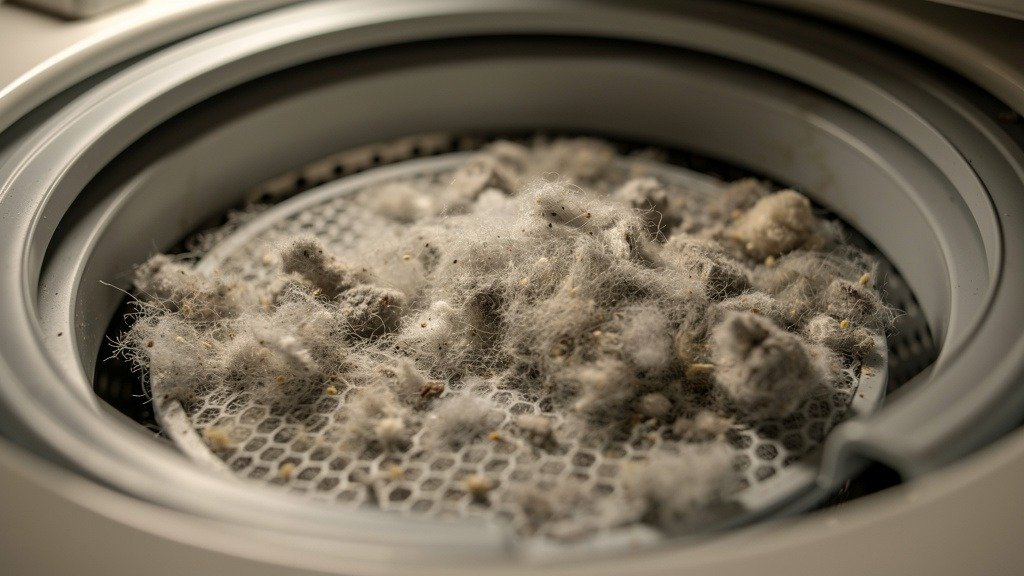
High-humidity areas can push moist air into cooler vent sections where condensation forms. When airflow gets blocked (usually from lint), that condensation turns into standing water, which creates the perfect conditions for mold and mildew growth. And the odors? Yeah, they get worse fast.
Quick diagnostic checklist:
- Musty smell near the dryer or vent outlet. Check for damp lint and wet duct sections.
- Damp laundry even with normal heat settings. Check the vent outlet for weak airflow.
- Wet spots around the dryer. Inspect the vent connection behind the dryer for leaks and blockages.
Lint buildup combined with restricted airflow increases fire risk significantly, so stop using the dryer immediately if you notice overheating or burning smells.
Reduced Efficiency From Humidity Plus Sensor and Airflow Side Effects
Reduced efficiency from humidity often shows up as “the dryer runs, but clothes never really get dry.” Moisture-loaded exhaust air and lint-clogged paths can confuse moisture sensors, extend cycles, and lead to more service calls.
You can identify symptoms and clear the lint screen yourself, but vent system inspection and electrical checks are usually best handled by a qualified technician to avoid missing hidden damage.
Knowing the specific problems is step one. Understanding how to prevent and address them? That’s crucial for keeping your dryer running longer.
Essential Maintenance Tips for Coastal Area Dryer Longevity
Proactive maintenance is honestly your best defense against corrosion, restricted airflow, and odor problems in high-humidity areas. Coastal dryers face two persistent enemies: excess moisture that encourages clumping lint buildup, and salt air that accelerates metal wear on vents, clamps, and cabinet panels.
A consistent routine prevents efficiency loss and helps you avoid higher-risk conditions like blocked airflow and standing water.
Step by Step Coastal Dryer Maintenance Routine
- Clean that lint screen after every single load. Humid lint mats together fast, which reduces airflow quicker and raises fire risk.
- Check your vent system monthly for soft clogs. Look for lint buildup at the transition duct, wall connection, and outside hood – these spots often start the blockage process.
- Hunt for moisture signs. Feel around duct joints for dampness and look for staining or musty odors. Both can point to water pooling that leads to mold and mildew in your vent.
- Clean the vent pathway on a regular schedule. Many households assign this to one person or include it in their property maintenance checklist for consistent completion.
- Install a vent cover designed for coastal weather. You want to block wind-driven rain and pests without creating a flap that sticks and causes airflow problems.
- Wipe down and protect exposed metal. Salt residue on exterior panels and vent hardware speeds up corrosion, so periodic cleaning helps slow rust formation.
Protective Measures That Reduce Corrosion and Callbacks
Use rigid metal venting where practical and keep runs as short and straight as your layout allows. Shorter runs improve drying performance, but the trade-off is that rerouting might require a professional to maintain safe clearances and proper connections.
What Can Go Wrong if Maintenance Gets Skipped
Clumped lint plus damp ducting can trap moisture, creating mildew and odors that return quickly after just one cleaning. Corrosion can create small leaks that dump humid air into your laundry area, making efficiency problems worse.
Even with great maintenance, sometimes issues pop up that need troubleshooting or repair.
Troubleshooting Frequent Dryer Malfunctions in Humid Climates
In high-humidity areas, most malfunctions trace back to restricted airflow and damp residue inside your vent system. A systematic diagnostic process helps separate normal wear from moisture-related issues like lint buildup, water pooling, and mold growth that quietly reduce efficiency.
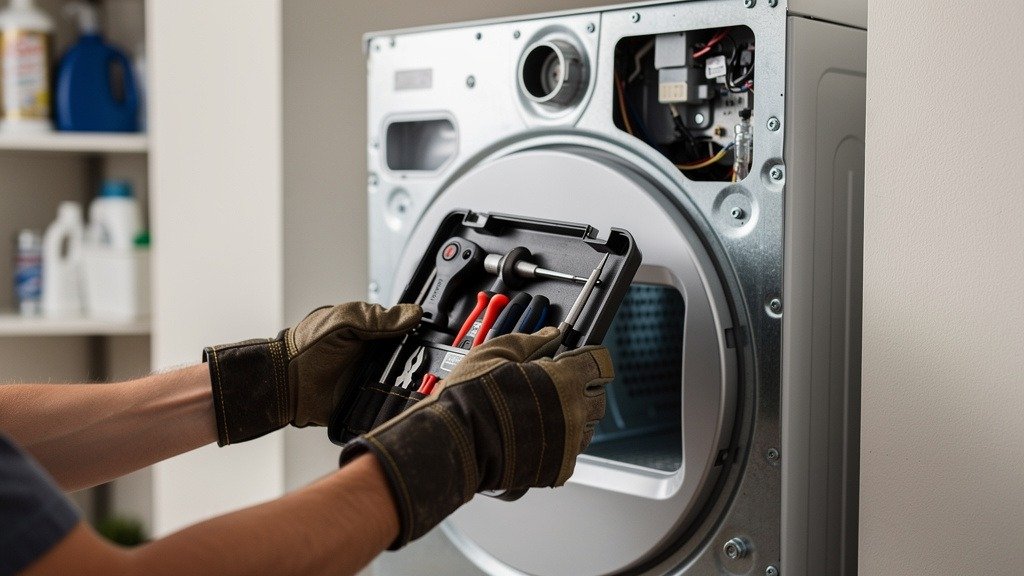
Start with symptoms, then confirm the venting path and internal airflow before replacing any parts.
Symptom Based Quick Triage
Use this quick mapping to narrow down the root cause:
- Clothes stay wet or cycles run long: suspect blocked airflow, moisture buildup in the vent, or lint clumping that sticks to vent walls.
- Musty or sour odor: suspect mildew in the vent line or around the outlet hood, often after water pooling.
- Rattling or thumping: suspect loose blower housing debris, worn drum support components, or a foreign object – and confirm vibration isn’t coming from the vent connection.
Step by Step Diagnostic Process for Humid Climate Calls
- Check that exhaust is strong outdoors with the dryer running. Weak exhaust points to restriction or a stuck damper at the termination.
- Inspect the vent run end to end for sags, crushed sections, and wet lint mats. In coastal conditions, damp lint can form heavy plugs and raise fire risk.
- Look for visible corrosion in vent spots, pinholes, or separated joints that leak moist air into walls or crawlspaces.
- If odor persists, inspect for mold and mildew in vent areas and clean or replace affected sections.
When to Upgrade or Escalate
DIY cleaning can help, but persistent restrictions or recurring odors often need professional cleaning service for full-length clearing and verification. For repeated corrosion or wet-lint collapse, consider moisture-resistant materials during repair – higher upfront parts cost, but fewer callbacks down the road.
Many questions come up when dealing with dryer issues, especially in challenging coastal environments.
Frequently Asked Questions About Coastal Dryer Care
Coastal dryers operate in high-humidity areas where excess moisture and salt air change how your vent system behaves. The most common results? Lint buildup, mold growth, blocked airflow, and reduced efficiency – all of which drive repeat service calls.
These FAQs focus on practical prevention and troubleshooting decisions that reduce callbacks and fire risk.
Humidity and Daily Drying Performance
Q: Is high humidity bad for drying clothes? A: Absolutely. High humidity makes it harder for your dryer to expel moist air, which usually shows up as longer cycles and reduced efficiency. This is the core humidity impact on dryer maintenance because your appliance constantly tries to push moisture out into already humid outdoor air.
Q: How can I reduce humidity from my dryer? A: Start by improving exhaust airflow and limiting moisture in the room. Many techs recommend sealing leaks in the vent path, confirming the outside termination opens freely, and when your laundry space stays damp, adding a dehumidifier to lower ambient moisture that feeds odor and condensation.
Venting, Moisture, and Odor Issues in Coastal Homes
Q: What causes water in a dryer vent in coastal climates? A: Moisture buildup in your vent often happens when warm exhaust hits cooler duct surfaces, especially with blocked airflow. That can lead to water pooling, which encourages mildew growth and musty odors.
Q: Why does lint build up faster near the ocean? A: Humid air can make lint clump and stick to duct walls, creating blockages and escalating fire risk. Clumped lint also traps moisture, increasing the chance of mold growth inside the vent run.
Q: What does a musty smell usually mean? A: A persistent musty odor often points to mold and mildew in your vent caused by water pooling, damp lint, or a vent that doesn’t fully dry between cycles.
Corrosion, Installation Quality, and the Most Common Repair Drivers
Q: Is humidity bad for machines? A: Prolonged moisture exposure can speed up corrosion on metal components and electrical connections. In coastal environments, salt air can accelerate rusting on clamps, fasteners, and exterior vent hardware.
Q: Can high humidity cause problems beyond odor and long cycles? A: Yes. Corrosion in your vent and internal moisture-related residues can create air leaks, weak airflow, and intermittent safety shutoffs. These are common moisture-related issues tied to coastal dryer problems.
Q: What’s the most common problem with dryers in coastal areas? A: The most frequent root cause is restricted airflow in the venting path, usually from lint buildup combined with damp conditions. Prevention starts with routine cleaning and proper vent installation that minimizes long runs, sagging sections, and leak points where moist lint can collect.
Understanding and addressing the unique challenges of coastal living is key to a functional and long-lasting dryer.
Key Takeaways for Maintaining Your Dryer in Coastal Areas
Direct Conclusion for Coastal Performance
In high-humidity areas, reliable dryer operation comes from planning for humidity’s impact on maintenance and acting early when symptoms appear. Most coastal dryer problems trace to blocked airflow plus damp residue, and salt air can speed up wear on venting and metal parts.
What to Prioritize in Your Vent System
Use a short, repeatable checklist to prevent moisture-related issues that escalate into safety or odor complaints:
- Check for moisture buildup in your vent and any signs of water pooling after cycles.
- Remove clumped lint that signals humidity-related blockages and rising fire risk.
- Look for corrosion in your vent, loose joints, or pinholes that leak moist air back indoors.
- Address musty odors early to limit mold and mildew growth in your vent.
Practical Constraints and Decision Points
If drying times increase, assume reduced efficiency from humidity until airflow is verified end to end. The trade-off is speed versus longevity: higher heat can mask symptoms, but it can worsen lint buildup and moisture retention.
For households, assign ownership: one person verifies the vent path, another documents findings for faster callbacks.
This wraps up our detailed guide on managing dryer repairs in coastal areas.