
Understanding LG Dryer Repair Costs
When your LG dryer suddenly stops heating or the drum won’t budge, you’re looking at a repair bill that breaks down into three main chunks: parts, labor, and that initial service call. Most folks end up paying somewhere between $100 and $400+ for LG dryer fixes, though the final number really depends on what’s actually broken and how long it takes to figure that out.
What makes up the total LG dryer repair bill
Every repair invoice I’ve seen follows the same basic pattern:
- Service fee: The tech shows up and diagnoses what’s wrong (you’ll probably pay this even if you decide not to fix it).
- Labor: Time spent taking things apart, testing components, and putting everything back together (more disassembly means more money).
- Parts: The actual replacement piece, and LG parts can vary wildly in price depending on your model and what’s actually in stock.
| Cost component | What it covers | What can bump it up |
|---|---|---|
| — | — | — |
| Service fee | Trip plus diagnosis | Awkward installations, stacked units |
| Labor | Removal, testing, reassembly | Rust, stuck bolts, cramped spaces |
| Parts | OEM or equivalent replacements | Older models, rush orders |
Dryer repair cost by problem and why some fixes cost more
Here’s what you’re probably looking at based on what’s going wrong:
- Heat problems: A busted heating element or gas igniter usually falls in the middle price range, but if your dryer keeps overheating, you might need a thermal fuse replacement plus airflow inspection.
- No tumble: When drums refuse to spin, it’s often a worn-out belt. Sometimes you’re dealing with shot bearings or a dead motor, which means more labor than a simple belt swap.
- Won’t start or keeps stopping: Could be a broken door switch that’s a quick fix, or a control board issue that’ll hit your wallet harder.
- Air leaks and weird noises: A blown drum seal requires teardown time, so expect higher labor costs.
Repair versus replace decision checks for LG dryers
Two quick rules help you avoid throwing good money after bad:
- 50% rule: If the repair costs more than half what you’d pay for a new dryer, replacement usually makes more financial sense.
- Age and history: Once your dryer hits 10-13 years and starts having repeat problems, replacement often beats endless repairs and gives you better energy efficiency.
Safety heads-up: What looks like a parts problem might just be a tripped breaker, and anything involving gas should be handled by someone who knows what they’re doing.
Now let’s dig into what actually drives your final repair bill.
Factors Influencing LG Dryer Repair Expenses
Your LG dryer repair total swings based on what broke, how old your machine is, and what local repair shops charge. While most people budget that $100-$400+ range, the actual number gets clearer once someone takes a look under the hood.
What the repair invoice usually includes
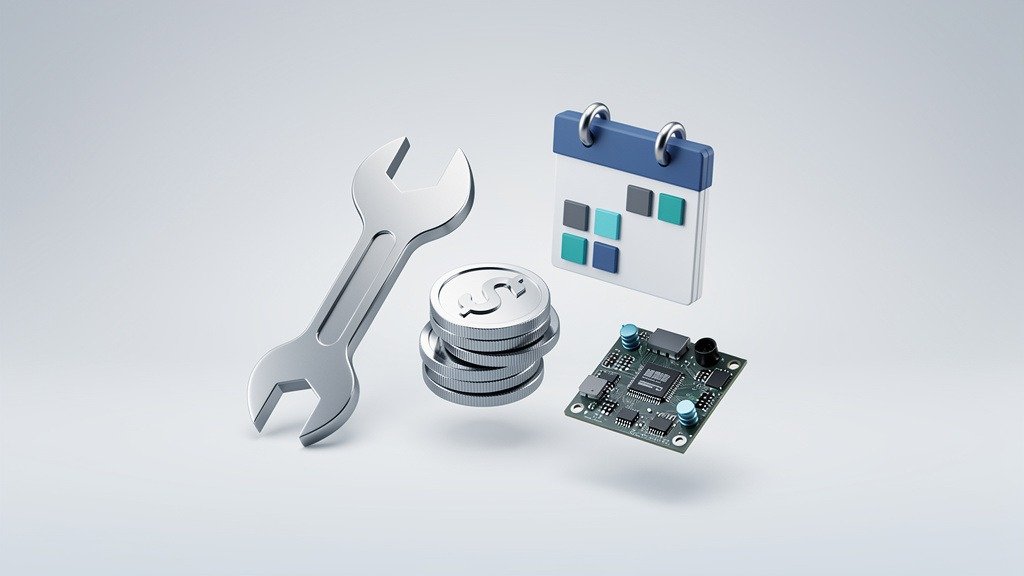
Most repair bills combine three cost buckets, and any one of them can send your total through the roof:
- Service fee: the diagnostic visit (sometimes credited toward repair work, depends on the company).
- Parts and labor: the replacement component plus installation time.
- Add-ons: rush scheduling, after-hours calls, or return trips when parts aren’t immediately available.
Problem type and component choice
What’s wrong matters a lot. No heat usually points to heating elements, while drums that won’t turn could mean anything from a slipped belt to a completely shot motor. Won’t start at all? Could be door switch problems, latch issues, or even just a tripped breaker.
Your component choice affects cost too. Heating element repairs typically run less than control board replacements because electronics cost more and take longer to properly test.
Model, age, warranty, and location
Final pricing shifts with your specific LG model and how old it is, since some designs are easier to work on than others. Warranty status makes a huge difference: covered repairs can slash your parts costs, while out-of-warranty work hits you with full pricing.
Where you live influences parts availability and scheduling, which can drive up costs in high-demand areas. Beyond these general factors, the parts themselves often represent the biggest chunk of your repair bill.
Common LG Dryer Parts Pricing and Availability
Parts pricing and availability create the biggest swings in LG dryer repair estimates. Costs vary dramatically based on your exact model and whether you’re using manufacturer parts or third-party alternatives. That’s why quotes often change after a tech confirms the specific component needed.
Common LG dryer parts and typical pricing tiers
Pricing depends on your dryer type and what’s actually available, but most estimates fall into predictable ranges:
- Heating elements: usually a pricier wear part, ranging from mid-tier to high-tier depending on your specific heater assembly.
- Thermostats and thermal fuses: typically low to mid-tier parts, affordable individually but sometimes replaced as a set during diagnosis.
- Drum belts and rollers: usually low to mid-tier, though roller sets can cost more than a simple belt because techs often recommend replacing the whole set for even wear.
- Control boards: almost always the most expensive items because electronics are model-specific and you can’t really substitute.
Availability matters too. Control boards, door latches, or drum seals might be backordered, increasing downtime and potentially forcing you to find laundry alternatives.
Symptom to part mapping for faster estimates
Use what you’re seeing to narrow down likely replacement parts before agreeing to labor charges:
- Not heating: usually heating elements, thermostats, or thermal fuses.
- Won’t spin: commonly broken belts, slipped belts, or dead motors.
- Drum noise: frequently rollers or worn bearings.
- Won’t start: often door switches, latch alignment, thermal fuses, or tripped breakers.
Practical constraints and a trade-off to know
Gas models add diagnostic complexity, so gas dryer repairs can run higher when ignition and safety systems need checking. Always confirm the exact part number first; ordering wrong replacement parts creates expensive delays.
Knowing parts costs helps, but understanding the most common LG dryer issues gives you better repair planning.
Typical LG Dryer Problems and Associated Repair Costs
LG dryer repair pricing gets most accurate when you tie specific symptoms to actual components. For most households, that $100-$400+ range holds true, but where you land depends on diagnosis time and which parts need swapping.
- Typical bill structure: service fee (diagnosis) plus parts and labor for the actual fix
- Cost positioning: some repairs hit the low end around $100-$200, while control system and drive problems often push toward $400+
- Key pricing drivers: model age, exact configuration, and your location significantly affect final dryer repair costs
Repair costs by specific problem and typical price tier
Use this breakdown for quick budgeting. “Lower” and “higher” refer to where jobs typically land within that $100-$400+ range once a tech confirms the actual cause:
| What you’re seeing | Common LG causes | Typical cost tier within $100-$400+ |
|---|---|---|
| — | — | — |
| Not heating | Electric: heating element, thermostat. Gas: igniter, thermal fuse | Heating element replacement often mid-range; gas igniter or thermal fuse often lower to mid |
| Won’t tumble | Broken belt, old belt, shot motor | Belt replacement often lower to mid; motor repair often higher |
| Drum noise | Worn rollers, bad bearings, blown drum seal | Roller or seal work often mid; bearing work often higher |
| Won’t start | Broken door switch, door latch, thermal fuse, tripped breaker, control board | Switch or latch often lower; control board often higher |
Common LG dryer problems and what to check first
Start with basic troubleshooting before authorizing parts replacement:
- Check power and reset any tripped breakers (electric models).
- Make sure the door closes completely and latches properly; broken door switches or latch problems prevent starting.
- If the drum won’t turn, have the tech verify belt condition before approving motor replacement estimates.
- For heating issues, confirm whether you have electric or gas, since igniters and thermal fuses are gas-specific.
Cost comparison and decision tip
Most service calls find heating elements and belts more predictable than control boards, since electronics require additional diagnostic time and higher parts pricing. Before committing to parts, check whether your LG warranty might reduce out-of-pocket costs.
Before you commit to any repair, understanding your warranty coverage can save serious money.
Navigating LG Dryer Warranty Coverage
Understanding warranty coverage ranks among the most reliable ways to cut your LG dryer repair expenses. Warranty terms vary by model and purchase date, but the documentation usually spells out which parts and labor get covered and which problems count as normal wear.
What LG dryer warranties commonly cover
Most manufacturer warranties structure around 1 year parts and labor, with extended coverage on select components (check your specific model’s terms). Coverage typically limits to manufacturing defects, not maintenance-related wear.
Issues like heating elements that quit, drums that won’t spin, dead motors, or tripped breakers might be covered only if the root cause traces to a warrantable defect rather than installation, venting, or wear problems.
Drum coverage and wear items to watch
Dryer drums often get longer coverage than general components, while wear items are more likely excluded. Exclusions commonly include broken belts, stretched belts, worn bearings, blown drum seals, door latch issues, or broken door switches, since these tie to usage and adjustment over time.
How to check warranty status for your model
- Locate the model and serial number on your appliance label.
- Gather your proof of purchase date.
- Match those details to your warranty documentation, or verify through manufacturer support channels.
Beyond warranty considerations, deciding between repair and replacement often hinges on your appliance’s expected remaining life.
LG Dryer Lifespan and Repair Versus Replacement Decisions
If your LG dryer is approaching typical end-of-life, comparing expected repair costs to remaining useful years gives you the fastest repair-or-replace decision. Most LG dryer repairs total $100-$400+, but repair value depends on age, condition, and usage frequency.
Lifespan baseline and what shortens it
Typical LG dryer lifespan runs 10-13 years. Real-world factors include weekly load count, vent cleanliness, and heat stress accumulation (more usage years usually mean more wear on moving parts).
End-of-life signs often show up as recurring symptoms or multiple worn components: drums that won’t spin, old or broken belts, worn bearings, dead motors, blown drum seals, door latches that won’t hold, or broken door switches preventing safe operation. Intermittent power issues like repeated tripped breakers can complicate diagnosis too.
Repair cost math using parts and labor
For budgeting, separate invoices into: service fee (diagnostic visit) plus parts and labor. The same symptom can swing repair costs depending on which part gets confirmed. Heating elements often hit different pricing tiers than electronic control boards because parts pricing and labor time differ by model.
Quick comparison for appliance repair decisions
| Situation | Repair tends to make sense | Replacement tends to make sense |
|---|---|---|
| — | — | — |
| Age | Well under 10-13 years | At or past 10-13 years |
| Failure scope | Single, isolated part | Multiple stacking issues |
| Cost drivers | Lower parts and labor | Repair estimate trending toward $400+ |
| Practical constraints | Reliable drum and heat after fix | Recurring downtime and repeat service calls |
Warning: electrical or gas diagnostics should go to qualified technicians for safety and accountability.
Let’s address some frequently asked questions about LG dryer repair costs.
LG-Specific Repair Cost Data
When budgeting LG dryer repairs, the most accurate “LG-specific” cost range comes from matching your exact model number to your symptoms, then confirming the part used and labor time required. Generic pricing charts often miss this step, which explains why two LG dryers with identical complaints can produce very different quotes.
LG-centric cost drivers that move quotes
- Symptom-to-part mapping: “No heat” often points to heating elements, while drums that won’t spin often trace to broken belts, old belts, worn bearings, or dead motors.
- Door and safety circuits: Dryers that won’t start can involve door latches, broken door switches, or tripped breakers, which changes both diagnosis time and parts costs.
- Airflow and friction issues: Blown drum seals or bearing wear increase labor because access and reassembly take more time.
Practical workflow for a defensible estimate
Ask your service provider to quote two separate lines: (1) confirmed part number and part type, (2) labor steps required to access that part on your specific LG chassis. This prevents paying for “generic dryer fixes” that don’t match your model.
Caveat to avoid mispricing
Multiple symptoms can stack, so one visible issue may not be the only billable cause.
Next, we’ll cover typical LG dryer lifespan and what can shorten or extend it.
Average Lifespan of an LG Dryer
What is the average lifespan of an LG dryer
The average LG dryer lifespan typically runs 10-13 years, depending on usage patterns and how consistently you maintain the unit. For most households, that range provides a practical planning baseline for budgeting repairs versus replacement.
Key facts for planning:
- Typical lifespan range: 10-13 years
- Best-case outcomes: lighter loads, clear airflow, and timely part replacements
- Shortened lifespan drivers: heavy daily usage and neglected upkeep that increases heat and friction stress
Factors that affect LG dryer lifespan in real homes
Usage and maintenance are your two biggest levers. High heat cycles, frequent back-to-back loads, and overloaded drums increase wear on moving parts like belts, motors, and bearings.
Preventive measures that protect long-term reliable operation:
- Clean lint screens every load and keep exhaust airflow clear to reduce strain on heating elements.
- Stop using the dryer if breakers keep tripping; repeated resets can mask electrical issues.
- Address friction and air leaks early, because blown drum seals can increase run times and component stress.
Trade-off to consider: proactive maintenance costs time (or a service visit), but often reduces odds of major breakdowns that lead to higher labor repair costs.
Signs an LG dryer is nearing end of life
Dryers nearing end of service life often show recurring, escalating symptoms instead of single one-time issues.
Watch for patterns like:
- Drums that won’t spin, especially when tied to old belts, broken belts, worn bearings, or dead motors
- Intermittent start problems traced to broken door switches, worn door latches, or unstable power events
- Longer dry times and heat irregularities that return soon after cleaning or minor service
If multiple symptoms appear together, technician-led diagnostics can clarify whether targeted repair remains the most efficient path or whether replacement planning makes more financial sense.
Now let’s answer the most common pricing and troubleshooting questions homeowners ask about LG dryer repairs.
Frequently Asked Questions About LG Dryer Repair
How much does it cost to fix an LG dryer
Answer: Most homeowners budget an average total repair cost range for LG dryers of $100-$400+. Final repair costs depend on specific symptoms, your model, and local technician availability.
- Typical bill structure: diagnostic or service call fee plus parts and labor
- What changes the total: model number, dryer age, and location (local LG dryer repair service rates vary)
Workflow hint: Ask technicians to quote service fees separately from repair work so estimates stay comparable across shops.
How expensive are dryer parts and which repairs cost more
Answer: Dryer parts vary widely by component, which explains why LG dryer parts pricing can swing total invoices. In most markets, control board repairs often price higher than many heat-related fixes because electronics cost more and troubleshooting takes longer (costs vary by model).
- Example comparison: heating elements (no-heat repairs) often cost less than control board replacements, but exact totals depend on part numbers and labor time.
- Common wear items that drive parts costs: old dryer belt replacement for broken belts, worn bearings, blown drum seals, or door latch assemblies.
Caution: Similar-looking parts can be mismatched across LG model revisions, so confirm full model numbers before ordering.
What is the most common problem with LG dryers
Answer: Many service calls start from a small set of common dryer problems sharing symptoms, such as no heat, won’t start, or noise. The most useful way to avoid overpaying involves thinking in “dryer repair cost by problem,” because symptoms point to likely components and labor time.
- No heat: often tied to heating elements or electrical supply issues like tripped breakers
- Drum not tumbling: drums that won’t spin can indicate old dryer belts, worn bearings, or dead motors
- Won’t start: broken door switches can prevent operation even when panels look normal
How do I reduce LG dryer maintenance costs and avoid repeat repairs
Answer: Best savings usually come from preventing overheating and friction-related wear. Check LG dryer warranty coverage first, since covered parts can reduce out-of-pocket expenses even when labor isn’t covered.
- Keep airflow clear to reduce heat stress.
- Stop using the unit if squealing or grinding starts; continued use can worsen worn bearings or motor damage.
- If doors don’t close firmly, inspect door latch areas early to prevent intermittent stopping.
Making an informed decision about your LG dryer repair requires weighing several key factors.
Key Takeaways for LG Dryer Repair Cost Management
Budget a realistic range and know what you’re paying for
When laundry stops mid-week, controlling LG dryer repair costs starts with setting expectations and asking for line-item estimates. Most LG dryer appliance repair totals fall in the $100-$400+ range, depending on exact symptoms, models, and technician availability.
- Typical bill structure: service fee (diagnosis) plus parts and labor (the actual fix)
- Common comparison: heating elements and broken belts often cost less than control board replacements, mainly due to part prices and diagnostic time.
Match symptoms to likely components
Not heating can trace to heating elements or tripped breakers. Not spinning (drums that won’t spin) often points to old dryer belts, worn bearings, dead motors, or blown drum seals. Door latches or broken door switches can prevent safe start-up.
Use dryer warranty status to avoid overpaying
Confirm dryer warranty status before authorizing work. In-warranty versus out-of-warranty pricing can change who pays for parts, labor, or service fees, and warranty status can also affect part sourcing.
Price drivers to sanity-check in quotes
Final pricing varies by dryer age, exact model, and geographic service location. Older units can take longer to diagnose, and remote areas may have higher trip charges.