

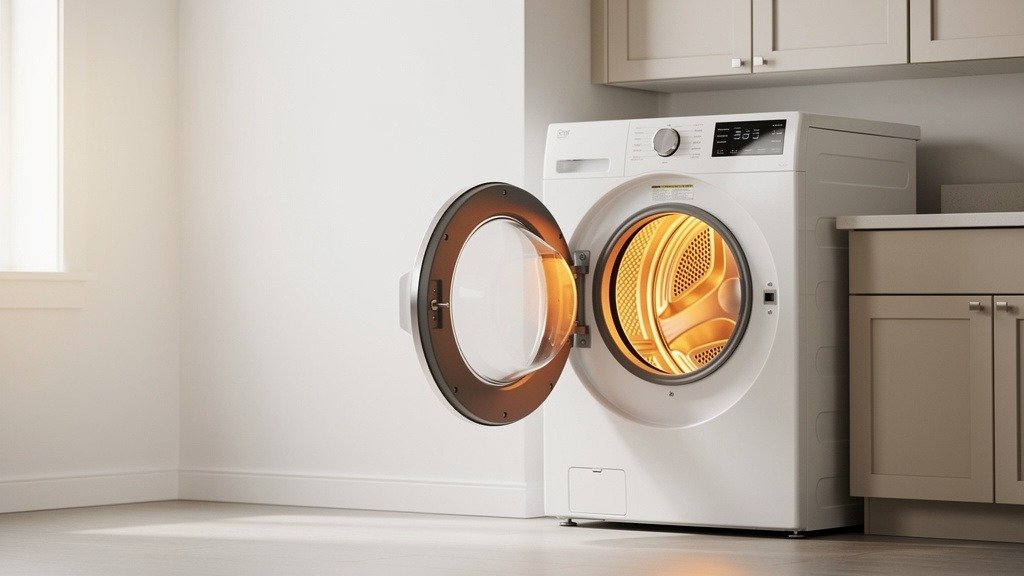
Understanding Annual Dryer Maintenance Service Plans
Annual dryer maintenance service plans provide comprehensive care to ensure your appliance operates safely and efficiently.
What a maintenance service plan includes
Why annual planning matters for both home and process dryers
How schedules are typically structured
Essential Steps in Your Yearly Dryer Maintenance
Regular maintenance involves several key steps, from cleaning internal components to inspecting the vent system, to keep your dryer running optimally.
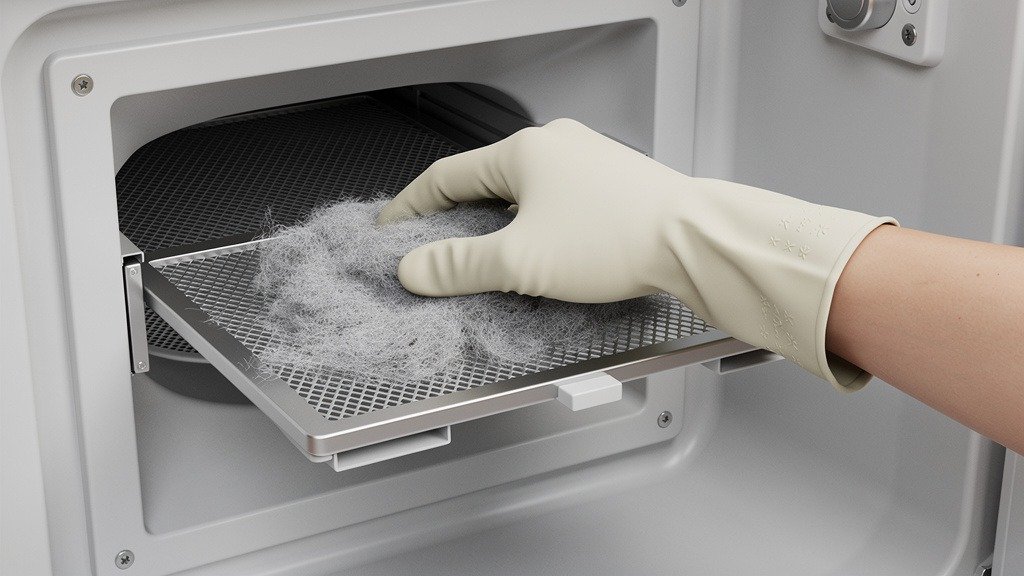
Step by step yearly maintenance procedure
- Make the dryer safe to work on. Disconnect power first. Shut off gas if you’ve got a gas unit. Let everything cool down before you start poking around heated surfaces.
- Start with visual inspections. You’re looking for crushed vent hose, loose clamps, scorched wiring, and any signs of overheating near the heater housing or motor area.
- Reset the baseline with cleanliness. Pull lint from the lint screen area, door seals, and any accessible ducts. Lint control isn’t just about performance—it’s a safety thing because lint chokes airflow.
- Open access panels for internal cleaning. Vacuum lint from the cabinet, blower housing, and around the motor. If you see sharp edges, brittle insulation, or damaged wiring, stop and call a technician.
- Inspect the vent system end to end. Make sure the duct run stays intact and sealed, and that the exterior termination opens freely. Poor venting shows up as excessive heat, long dry times, and repeated thermal shutoffs.
- Verify heat and airflow behavior during a test run. You want steady airflow at the outlet and normal cycling—heat should turn on and off rather than staying at extremes. Erratic cycling means you might need professional diagnostics.
- Check drive and support components. Listen for squealing or thumping that points to belt, pulley, roller, or bearing issues. Here’s a practical trade-off: DIY checks work fine, but replacement often requires real disassembly skills.
- Document completion and findings. Use photos and keep a simple log for recordkeeping for effective maintenance. Note what got cleaned, which parts look worn, and what needs monitoring.
How this maps to annual maintenance tasks and specialty dryers
Choosing the Right Dryer Service Contract or Plan
Selecting the best service plan involves comparing various options, understanding their costs, and determining if they align with your long-term appliance care needs.
Match the plan to equipment and operating context
Different types of dryers create different service headaches. A residential vented dryer mostly comes down to airflow and lint control. Process equipment used in thermal processing or dry solids processing often adds material handling equipment and dust management to the maintenance scope.
You want a plan that explicitly accounts for adjacent systems when they exist—conveyors, mixers, dust collectors, wet scrubbers. When these upstream or downstream components drift out of spec, the dryer looks like the problem even when the root cause is feed rate, contamination, or poor cleanliness.
Practical constraint: confirm the provider can actually service your specific build, including drum dryers and rotary dryers, and can safely access internal areas for visual inspections without taking shortcuts.
What to require in a dryer service contract
Treat the contract like a checklist you can audit. Not some vague promise.
- Defined tasks: visual inspections, cleaning steps, and functional checks tied to your exact dryer model
- Clear inclusions and exclusions: wear parts, venting, and any material handling interfaces
- Recordkeeping: service logs, findings, and before-and-after notes to support troubleshooting later
- Scheduling rules: how scheduled dryer maintenance gets booked, missed visit handling, and escalation paths
- Accountability: who signs off, technician qualifications, and how recommendations get communicated
Evidence you can request: sample reports, a redacted checklist, and an example of how issues get prioritized for repair versus monitoring.
Service plan comparison table
| Plan type | Best for | Typical coverage | Trade-off |
|---|---|---|---|
| :—————– | :—————————– | :—————————————————– | :——————————————– |
| Inspection only | Stable units, low usage | Visual inspections and basic reporting | Problems identified, but fixes are separate |
| Preventive care | Most households and small sites | Cleaning, cleanliness verification, adjustment recommendations | Parts and major repairs may not be included |
| Comprehensive | High downtime cost sites | Preventive work plus priority response options | Higher commitment, more contract detail to manage |
Even with a solid service plan, certain mistakes can undermine its effectiveness. Let’s look at what to avoid.
Common Mistakes in Dryer Care and How to Avoid Them
Avoiding common dryer maintenance pitfalls can prevent costly repairs, improve efficiency, and extend your appliance’s lifespan.
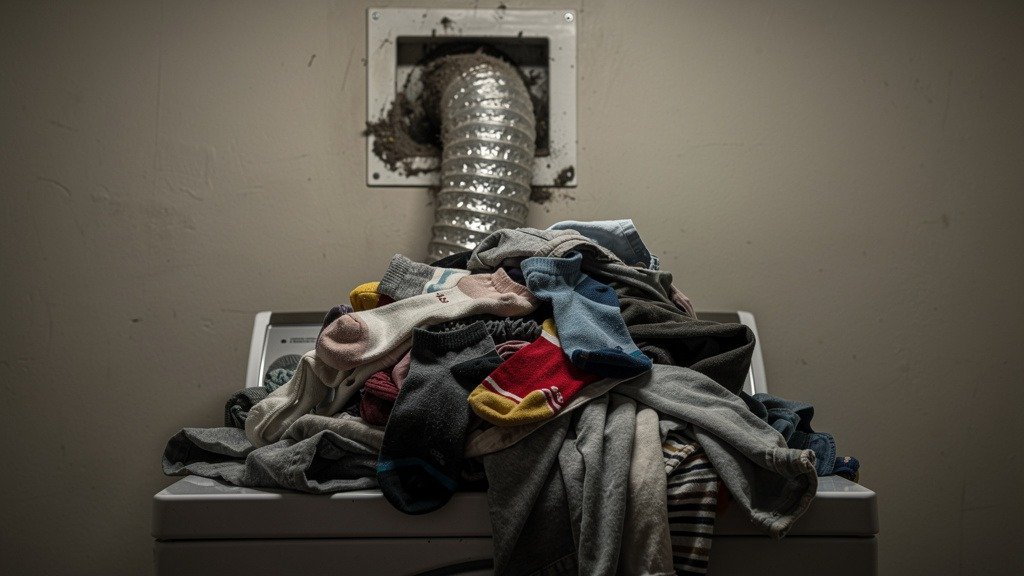
Mistake One: Treating Lint and Dust as a Minor Issue
When lint, powder, or fiber builds up, airflow drops and heat can’t move where it needs to go. In home laundry, this shows up as longer cycles. In thermal processing and dry solids processing, dust can migrate into material handling equipment like conveyors, mixers, and drum dryers.
Avoid it with:
- Cleanliness standards that specify what “clean” actually looks like, not “wipe down as needed”
- Clear boundaries for who cleans and who verifies
- A plan for dust collectors or wet scrubbers when the process generates fine particulate
Mistake Two: Skipping Visual Inspections Until Performance Drops
Too many teams wait for a “not drying” complaint before looking inside the system. Visual inspections are low-effort diagnostics that can catch rubbed wiring, loose clamps, crushed ducting, or abnormal residue early.
Avoid it with:
- A quick pre-shift walkaround for leaks, vibration, odors, and unusual noise
- Documented follow-up when any symptom repeats
Mistake Three: Using the Wrong Maintenance Playbook for the Dryer Type
Maintenance needs vary across dryer designs. Fluid bed dryers and flash dryers often have different airflow and particulate-handling sensitivities compared to typical laundry dryers.
Avoid it with: service tasks mapped to the exact model and process duty, then tracked in a shared log so trends become visible.
People have lots of questions about dryer maintenance. Let’s tackle the most common ones.
Frequently Asked Questions About Dryer Service Plans
This section answers common inquiries about dryer maintenance, service needs, and the benefits of professional plans.
Do dryers need to be serviced?
Q: Do dryers actually need professional service, or can I just rely on cleaning the lint screen?
A: Many homeowners handle routine cleanliness tasks just fine, but professional servicing becomes useful when drying times increase, heat gets inconsistent, or safety concerns pop up. A professional visit focuses on deeper visual inspections and performance checks that aren’t practical during day-to-day use.
Practical constraint: If you’ve got a gas dryer, service should include combustion-related checks performed by a qualified technician. Incorrect adjustments can create real safety risks.
Trade-off: DIY upkeep saves money upfront, but a plan can reduce repeat visits by addressing root causes instead of just symptoms.
Q: What’s the basic maintenance of a machine dryer?
A: Basic maintenance combines cleanliness, visual inspections for wear, and confirming the dryer operates smoothly through a full cycle. When basic maintenance gets formalized into yearly dryer maintenance, a plan helps ensure the same checkpoints get covered consistently.
What kind of maintenance does a dryer need?
Q: What kind of maintenance does a dryer need across a year?
A: Most programs combine owner-performed routines with a scheduled professional visit. Preventive dryer service is the professional portion that targets issues likely to cause downtime—airflow restrictions, heat-control irregularities, and component wear.
Many plans include documentation for recordkeeping for effective maintenance, which helps track recurring symptoms and parts history.
Applicability note: Commercial settings with thermal processing or dry solids processing equipment (drum dryers integrated with conveyors, mixers, and other material handling equipment) often require broader coordination with dust collectors or wet scrubbers, beyond residential dryer scope.
Q: Are all dryers maintained the same way?
A: Nope. Types of dryers vary, and service scope changes for electric versus gas units, vented versus ventless designs, and compact versus full-size machines. A good plan states the exact model coverage and exclusions.
Costs, coverage, and service plan decisions
Q: How much is a service call on a dryer?
A: Costs vary depending on location, dryer type, and whether parts are needed. Ask for a written estimate that separates the diagnostic fee, labor, and any optional add-ons.
Q: What appliances need annual maintenance?
A: Many homeowners schedule annual checks for appliances where heat, combustion, or moving parts create safety and reliability risks. A service provider can help prioritize based on usage patterns and past issues.
Annual dryer maintenance really is a smart investment for any homeowner.
Key Takeaways for Optimal Dryer Performance
Regular professional service combined with disciplined DIY care gives you the most reliable path to safe, efficient drying and longer equipment life. Yearly dryer maintenance works best when you treat it as a system: airflow, heat control, and wear checks, backed by a plan that prevents surprise stoppages.
Use the right cadence for the workload
Align daily maintenance tasks, periodic maintenance tasks, and annual maintenance tasks to usage intensity and the types of dryers in service, including drum dryers. In operations that resemble thermal processing or dry solids processing, lint and fines behave like any other process dust. Cleanliness matters as much as mechanics.
Pair preventive work with the right plan
Preventive dryer service should get formalized as scheduled dryer maintenance with clear ownership—operator versus technician. A dryer service contract can reduce downtime risk, but the trade-off is paying for coverage depth that matches reality, not assumptions.
Make findings usable for decisions
Focus on visual inspections and recordkeeping for effective maintenance so recurring issues become visible. Note interactions with material handling equipment like conveyors and mixers, and capture how dust collectors or wet scrubbers affect lint, moisture, and airflow constraints.