

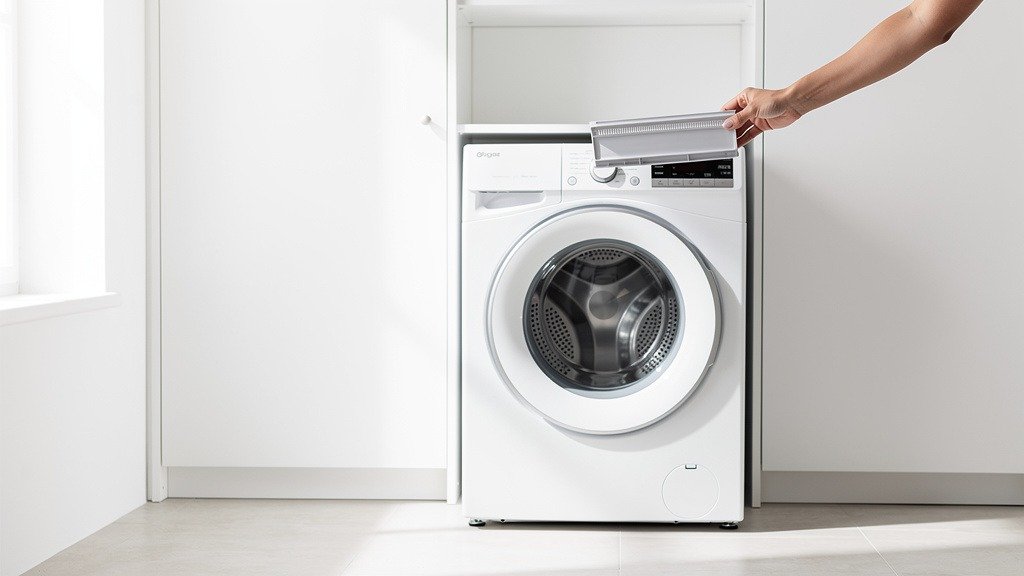
Here’s the thing about dryers – they’re basically lint magnets with heating elements. Heat, airflow, and that fluffy stuff that comes off your clothes all mixing together in one machine? Yeah, that’s a recipe for problems if you’re not paying attention.
Look, I get it. Monthly maintenance sounds like another chore on your already endless list. But trust me on this one – spending 15 minutes each month beats the hell out of dealing with a broken dryer or, worse, explaining to your insurance company why there’s a scorch mark on your laundry room wall.
Understanding Monthly Dryer Maintenance Importance
Lint isn’t just annoying. It’s basically tinder waiting for a spark. And your dryer? It’s got plenty of heat to provide that spark.
The lint filter gets most of the attention, and rightfully so. But here’s what drives me crazy – people think cleaning that screen is enough. It’s not. That’s just the first line of defense. Lint still escapes, builds up in places you can’t see, and slowly chokes your machine to death.
Your exhaust vent is where things get really interesting. Especially if you’ve got a long duct run snaking through your walls. All that lint has to travel through there to get outside, and guess what happens along the way? It sticks. It accumulates. It creates a bottleneck that makes your dryer work harder and harder.
When airflow gets restricted, your machine starts throwing a tantrum. Longer dry times. Hotter temperatures. More cycling on and off. All that extra stress? It’s murder on belts, rollers, and thermostats. Components that should last years start failing in months.
The trade-off is simple: a little time now versus a lot of hassle later.
Now, if you’re dealing with gas or hardwired units, don’t be a hero. Leave the internal stuff to someone who knows what they’re doing. And hey, if you’re shopping around during those spring sales or looking at new combo units, think about maintenance access before you buy. Some machines are way easier to service than others.
Your Monthly Dryer Maintenance Checklist
This isn’t rocket science, but it does need to be systematic. You want the same results every time – stable performance, fewer surprises, and clear warning signs when something’s actually wrong.
Prep and safety checks before starting
First things first – unplug the damn thing. I don’t care if you’re just “taking a quick look.” Heat and electricity don’t play nice with curiosity.
Let it cool down completely. These machines get hot enough to leave marks, and you don’t want to find out the hard way.
Gas units get special treatment. If you smell gas – any gas at all – stop what you’re doing and call someone qualified. This isn’t a DIY moment.
Keep notes. Seriously. Your phone, a notebook, whatever works. Date, what you found, what you cleaned. Future you will thank present you when something goes sideways and you need to explain the history to a repair tech.
Monthly checklist for reliable operation
Your monthly must-dos:
Clean that lint filter. Not just empty it – actually clean it. Sometimes there’s a waxy film from dryer sheets that restricts airflow even when the screen looks clear.
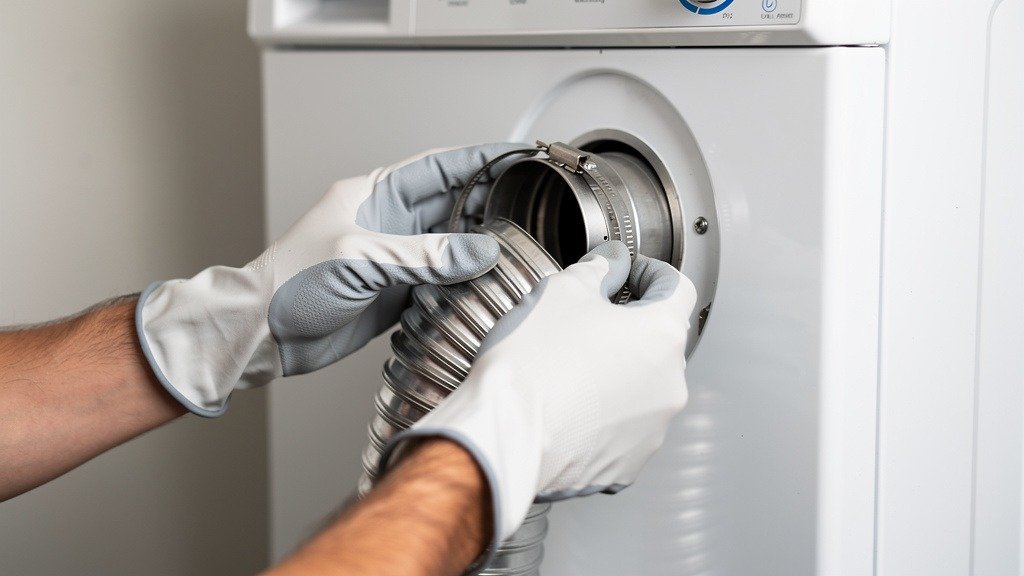
Check the exhaust path from your machine to where it exits your house. Kinks, crushing, loose connections – they’re all performance killers.
Test your door seal. If it’s not closing properly, you’re basically heating your laundry room instead of your clothes.
Listen to your machine. New sounds usually mean something’s wearing out.
Step-by-step breakdown:
- Pull out the lint screen and clean it thoroughly. If there’s any film buildup, wash it with warm water and let it dry completely before putting it back.
- Vacuum around the lint screen opening. Just the surface stuff – don’t push lint deeper into the cabinet.
- Carefully pull your dryer away from the wall. Check that exhaust hose for damage, kinks, or heavy lint buildup at the connections.
- Run a short cycle and check the airflow at your outside vent. You should feel steady air movement.
- If you can safely access the drum, give it a manual spin and listen for rough spots or grinding. Anything that sounds off probably needs professional attention.
When to escalate and how to track outcomes
Changes in drying time are your canary in the coal mine. Same load taking longer than usual? Something’s wrong.
Repeated overheating shutoffs? Don’t ignore them.
Persistent weird noises? They don’t fix themselves.
Document everything. The more details you can give a repair tech, the faster they can diagnose the real problem instead of chasing symptoms.
Common Dryer Maintenance Mistakes and How to Avoid Them
Most service calls I’ve seen could’ve been prevented. We’re not talking about mysterious failures or acts of God. We’re talking about predictable problems that happen when people take shortcuts or treat symptoms instead of causes.
Mistake One: Treating symptoms instead of airflow causes
Your dryer starts taking forever to dry clothes. What’s your first instinct? Run it longer. Maybe throw in an extra cycle.
Wrong move.
You’re just making the problem worse. More heat, more lint movement, more stress on components that are already struggling.
Here’s what you should do instead:
- Stop and actually diagnose the complaint. Longer cycles? Hotter cabinet? Burning smell?
- Check for airflow restrictions before you do anything else.
- If you keep finding the same restrictions over and over, the problem might be your duct installation, not your machine.
Yeah, airflow diagnosis takes longer than just hitting the start button again. But it’ll save you from that uncomfortable conversation with a repair tech who finds the same obvious problem you could’ve caught yourself.
Mistake Two: Missing the invisible buildup
“But I clean the lint filter every time!”
I hear this constantly. And maybe you do clean that screen religiously. But dryer sheet residue and fine lint don’t just stick to the filter. They get past it and coat internal surfaces you never see.
Performance drops even though the visible screen looks pristine. Mystery solved – the real problem is hiding where you can’t spot it.
Set up a simple system:
Keep track of changes in dry time and any weird smells. When a tech comes out, they can check the hidden spots and explain what they find.
Mistake Three: Thinking promotions replace maintenance
Sales are great for budgeting. Spring promotions, monthly deals, combo packages – they all have their place when you’re shopping for laundry equipment.
But a good deal on a new machine doesn’t fix the maintenance habits that killed your old one.
Reality check: If you’re asking for “more frequent inspections,” you might want to look at commercial maintenance schedules and adapt the concepts to home use. Don’t just wing it with random extra checks.
Frequently Asked Questions About Dryer Care
What maintenance should be done on a dryer each month
Focus on the small stuff that keeps air moving, heat controlled, and parts happy. Consistency beats intensity here – you want a routine that catches problems before they become emergencies.

Your monthly priorities:
Make sure the lint screen is actually clean, not just empty. That waxy residue from fabric softener sheets can be sneaky.
Watch a complete cycle for weak exhaust, strange noises, or overheating smells. If something seems off, stop using the machine until you figure out what’s wrong.
Check that the exhaust path isn’t kinked or crushed, especially if you’ve moved the dryer recently.
Keep notes about what’s changed since your last check. New detergents, heavier loads, different fabric types – they all affect how your machine performs.
Important: Burning smells, repeated shutoffs, or visible scorching aren’t maintenance issues. They’re stop-everything-and-call-someone issues.
How often should a dryer be serviced by a professional
Depends on how hard you work your machine, how long your exhaust run is, and what kind of problems you’ve had before.
Most people call for professional service when performance changes noticeably or after installation changes that might affect venting.
Signs it’s time for a pro:
Dry times keep increasing even though you’re doing everything right.
The machine cabinet gets unusually hot or your laundry room feels more humid than normal.
Squealing, thumping, or scraping sounds that suggest moving parts are wearing out.
The honest answer: Check your owner’s manual and warranty terms. Different machines have different requirements, and you don’t want to void coverage by guessing.
How much does dryer maintenance cost
Depends on whether you’re doing it yourself, hiring help, or calling a service company. Also depends on what needs to be fixed versus just cleaned.
What affects the price:
How hard it is to reach your exhaust vent. Some installations are nightmares to service.
Whether you need parts or just adjustments.
Service plans and extended warranties can change the math significantly.
Shopping tip: Retail promotions can definitely affect your total ownership costs, especially if you’re buying multiple appliances together. But make sure you understand what’s included and what isn’t.
What is the 50/50 rule for appliances and what appliances need annual maintenance
The “50/50 rule” is a rough guideline some people use for repair-versus-replace decisions. If fixing something costs about half of what replacing it would cost, you might want to consider replacement instead.
It’s not a hard rule, though. Safety issues, how long you’d be without the appliance, and parts availability all matter too.
Appliances that typically benefit from annual professional attention:
Anything that uses heat, moving air, combustion, or water connections.
High-use laundry equipment where regular care makes a real difference in performance and longevity.
Maintenance costs money upfront, but it can prevent expensive surprises and keep things running when you need them most.
Key Takeaways for Your Dryer Maintenance Schedule
Monthly dryer maintenance isn’t glamorous, but it works. It protects your daily routine from slow drying, surprise breakdowns, and safety risks that nobody wants to deal with.
What to make standard every month
Assign someone to own this task and actually document what they find. Trends matter.
Always check airflow and heat issues first. Restricted ventilation can turn a minor problem into a dangerous one.
Don’t mess around with unusual noises, smells, or repeated performance problems. Get qualified help.
The real trade-off
Skip the small monthly checks and you’ll pay with hours of troubleshooting and downtime later. But don’t go overboard with disassembly if you don’t know what you’re doing. Loose connections and damaged parts create more problems than they solve.
Connecting maintenance to buying decisions
When you’re evaluating new laundry equipment or taking advantage of seasonal sales and extended warranty offers, remember that maintenance is part of total ownership cost. A good service plan that includes routine care might be worth it, especially if you can get it as part of a promotional package.
The bottom line? Fifteen minutes a month beats hours of frustration and hundreds of dollars in avoidable repairs.