
Understanding Dryer Reliability and Common Issues
Look, when we talk about dryer reliability, we’re really talking about one thing: how long can you go without having to call someone to fix the damn thing? Especially during those first five years when you’re still paying off the purchase. Sure, reliability sounds like some corporate buzzword, but it’s actually pretty simple – it’s the odds your dryer won’t leave you hanging with a load of wet clothes.
Here’s where it gets interesting though. A reliable dryer isn’t always the same as one you’ll love. I’ve seen people absolutely adore their feature-packed units even when they’re calling for repairs every six months. Go figure.
What dryer reliability means and how to compare brands responsibly
Real dryer reliability? It’s basically the chance you won’t have issues for a set timeframe – usually those critical first five years – plus how predictable the whole repair journey becomes when things do go sideways. The comparisons that actually matter combine real-world repair data with how easy it is to get parts.
Most pros I know look at these key factors:
- Survey-based brand ranking: Teams often check consumer survey tables (Consumer Reports is the big one) to see where brands stack up against each other, then cross-reference with their own local service records. Rankings shift around, so you want multi-year data showing whether reliability is getting better or worse, not just a snapshot from last Tuesday.
- Repairability factors: Can you swap out components as complete assemblies? Are there actual access panels, or do you need to dismantle half the machine? And yeah, can you actually find replacement parts without waiting three weeks?
- Reliability versus owner satisfaction: A unit loaded with bells and whistles might score high on satisfaction while still needing constant attention. Keep these two measures separate when you’re making decisions.
Quick tip from the field: Techs usually start with the model tag, pull up manufacturer troubleshooting guides and parts diagrams before they even quote labor time.
Common dryer problems across brands and the parts most often involved
Across pretty much every brand out there, complaint patterns cluster around a few predictable diagnostic paths:
- Dryer won’t start: Usually comes down to door switch issues, start switch problems, or a thermal fuse that decided to call it quits because things got too hot.
- No heat coming through: Common suspects include heating elements on electric models, or burner and ignition stuff on gas units. Plus airflow restrictions that nobody wants to think about.
- Drum just sits there: Belt replacement is pretty standard, and drum rollers can bind up or get flattened, creating drag that stops everything.
- Sounds like a freight train: Worn rollers, idlers, or random debris that found its way into the blower housing.
- Shuts off way too early: Often traces back to overheating from clogged vents, cycling controls acting up, or sensors getting confused.
Here’s the thing though – replacing a part without fixing airflow issues? You’ll probably see that thermal fuse trip again real soon.
How dryer type affects reliability and repair patterns
Electric dryers tend to focus their drama around heating elements and electrical controls. Gas dryers add the fun of ignition and gas-valve troubleshooting, which can definitely change how long diagnosis takes. Costs swing depending on access and parts availability.
Compact dryers? They run hotter and have tighter airflow paths, so venting and lint management becomes absolutely critical for reliability.
Brand-specific service programs vary all over the place, but you’ll see the same core failure points whether you’re dealing with Whirlpool dryer repair or Maytag dryer repair work orders. Especially when people ignore venting and wear items.
Now that we’ve covered general reliability, let’s dig into what different major brands actually cost to repair.
Comparative Dryer Brand Repair Costs
Repair costs swing more based on what actually broke – heating circuit, drive system, airflow restriction – and what your local labor rates look like than on whatever logo is stuck on the front. But brand design choices and how easy it is to get replacement parts? Yeah, that can definitely push your final bill up or down.

The most useful way to compare repair expenses across brands is breaking down the service call structure, parts pricing and lead times, plus how long the job typically takes on that brand’s particular layout.
What a dryer repair bill usually includes
Most repair tickets break down pretty simply: diagnostic or service call fee, plus labor, plus parts. I’m not going to throw around some “average national cost” number because rates are all over the map depending on your region and how different shops structure their pricing. But the fee structure? That’s pretty consistent – you’re paying for diagnosis even if you decide to put off the actual repair.
Key details to nail down before anyone shows up:
- Dryer model and serial number (prevents ordering the wrong parts – trust me on this one)
- Symptoms and any error codes (speeds up the whole diagnostic process)
- Vent condition (clogged vents can fake out heater problems and lead to repeat calls)
- Whether the dryer is stacked or buried somewhere inconvenient (labor time goes up fast)
Here’s what’ll bite you: misdiagnosing an airflow problem can lead to swapping heating elements over and over. Vent inspection should happen on the first visit, not as an afterthought.
Brand reliability and repairability comparison for major brands
Reliability and owner satisfaction get lumped together a lot, but they’re not the same thing. This section ranks brands by how repairable they are and cost predictability – not some formal reliability study. In most service organizations, modular designs and readily available replacement parts cut down on both downtime and labor hours.
| Brand family | Repairability and access | Parts availability | Typical cost pressure points |
|---|---|---|---|
| — | — | — | — |
| Whirlpool and Maytag | Usually tech-friendly layouts, common parts | Widely distributed in most areas | Belt replacement, drum rollers, thermal fuse |
| GE Appliances | Straightforward diagnostics and common assemblies | Generally available | Heating elements, thermostats, airflow-related callbacks |
| LG | Can be efficient once you figure out what’s wrong, varies by model | Sometimes model-specific | Control boards, sensor issues, longer troubleshooting guides |
| Samsung | Feature-heavy, model variation can slow down diagnosis | Can be more model-specific | Control boards, wiring, disassembly time |
This is the practical reality for Samsung versus Whirlpool dryer repairs: Whirlpool and Samsung comparisons usually come down to parts commonality and how quickly a tech can access the heating path or drum support components.
Common repairs by cost tier and brand-to-brand differences
Since pricing varies so much by market, it makes more sense to think in “tiers” when you’re forecasting repair costs:
- Lower tier: thermal fuse, door switch, basic wiring repairs (quick diagnosis and limited disassembly)
- Mid tier: belt replacement and drum rollers (labor can climb due to cabinet access requirements)
- Higher tier: heating elements and some electronic controls (parts cost plus longer diagnostic time)
Head-to-head reality check:
- Whirlpool and Samsung: Whirlpool-family units are usually cheaper to troubleshoot and put back together, while Samsung units can need more model-specific steps, making labor time less predictable.
- LG and Samsung: Both LG dryer repair and Samsung dryer repair can trend higher when electronic components or model-specific parts get involved, especially if lead times delay completion.
- LG versus Maytag or Whirlpool: LG can be competitive on routine mechanical jobs, but Maytag and Whirlpool often win on predictable parts sourcing and standardized service procedures.
Beyond just cost considerations, understanding manufacturer warranties can significantly impact your out-of-pocket expenses.
Dryer Manufacturer Warranty Details and Coverage
When your dryer stops heating or starts making that awful squealing noise, manufacturer warranty can be the difference between a no-cost repair, a parts-only situation, or paying for everything out of pocket. Clear warranty processes also reduce repeat downtime, which matters when you’re comparing the most reliable dryer brands for long-term reliability.
What a typical manufacturer warranty covers
Standard manufacturer warranties usually cover defects in materials or workmanship for a limited period – commonly parts and labor for about one year, though exact terms vary by model and product line. Coverage typically applies when an authorized servicer diagnoses a warrantable component and installs approved replacement parts.
Common warrantable situations might include heating elements, thermal fuses, or drum rollers when the root cause is a manufacturing defect, not misuse. Most brands publish troubleshooting guides to help confirm symptoms before scheduling service.
Common warranty exclusions that change the repair decision
Most warranties exclude conditions caused by installation, environment, or maintenance issues. In dryer service, the biggest practical constraint is airflow problems.
Typical exclusions include:
- Clogged vents or crushed vent hoses that overheat the dryer and damage heating circuits
- Wear items and routine maintenance – belt replacement falls into this category sometimes
- Cosmetic damage, accidental damage, or improper voltage and gas hookups
- Service calls where no defect is found, or the unit is outside stated use conditions
This is why technicians document venting and lint buildup first, even during GE Appliances dryer repair calls.
How to file a warranty claim and how extended plans differ
Use this workflow to avoid delays:
- Find model and serial numbers plus proof of purchase.
- Document symptoms and any error codes, plus what troubleshooting steps you’ve already tried.
- Contact the manufacturer or authorized service network – not an independent shop – to avoid coverage disputes.
- Ask whether parts, labor, and diagnostic fees are covered, preferably in writing.
Manufacturer warranty coverage comes with purchase. Extended protection plans are optional contracts that might add years, broaden covered failures, or include perks, but they can also add exclusions and approval steps. The trade-off is predictable coverage versus higher upfront plan cost and stricter claim rules – something that can matter for Bosch dryer repair on tightly packaged, modular designs.
With general costs and warranties covered, let’s put some of the most popular brands head-to-head.
Samsung Versus Whirlpool Dryer Repair Insights
When your dryer stops heating or starts making noise, the practical difference between Samsung and Whirlpool repairs usually comes down to parts availability, cabinet layout, and how long diagnosis takes. Both brands commonly need fixes in heating circuits and drive systems, but repair frequency and turnaround time can feel completely different depending on your local technicians and replacement parts pipelines.
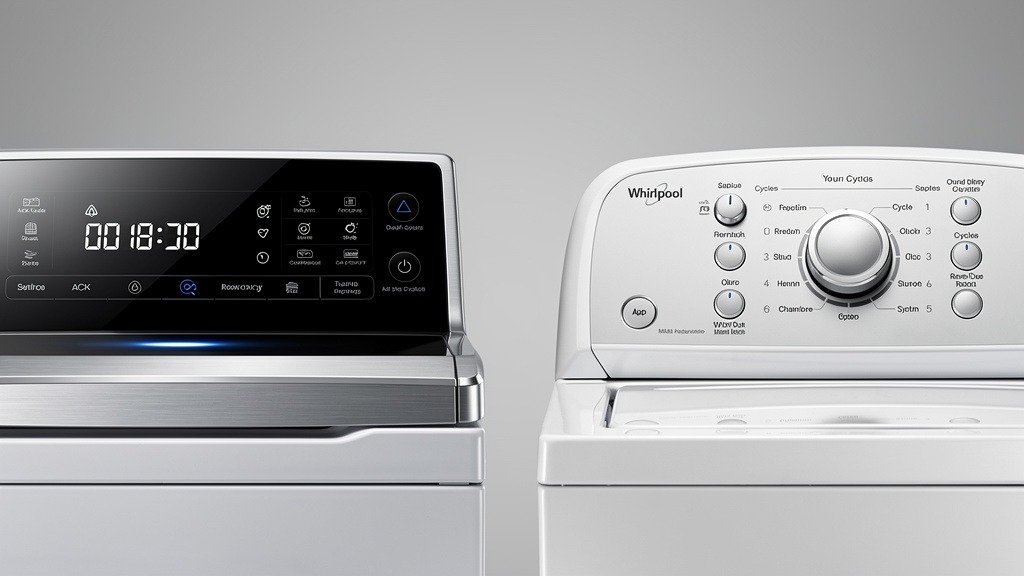
This comparison focuses on what affects downtime and dryer brand repair costs, not brand loyalty debates.
Common repair triggers for Samsung and Whirlpool dryers
Samsung and Whirlpool dryers tend to develop the same high-impact symptoms, but the diagnostic process can vary quite a bit by design.
- No heat or weak heat: often traced to airflow restrictions from clogged vents, or heating circuit components like thermal fuses or heating elements on electric models. Thermal fuses are safety parts that open when temperatures get unsafe.
- Squealing or thumping: commonly tied to wearable drum support parts like drum rollers.
- Drum won’t turn: frequently points to drive issues that might require belt replacement.
Here’s the constraint that bites people: clogged vents can mimic expensive electrical problems. Lots of repeat service calls start with skipped airflow checks.
Repair cost reality check for service calls and common parts
This guide doesn’t include some verified “average national cost for a dryer repair service call.” In practice, most providers structure pricing as diagnostic or service-call fee plus labor and parts, so averages vary by market and job complexity.
Cost range framing without making promises:
- Thermal fuse jobs are often on the lower end for parts cost, but labor can climb if access is tight.
- Belt replacement is frequently mid-range – the part is usually reasonable but disassembly time varies.
- Heating elements are commonly higher-cost repairs because the part costs more and diagnosis must confirm power, airflow, and controls.
What moves invoices up or down:
- Brand-specific replacement parts availability and shipping lead time
- Labor rates in your service area
- Cabinet access, harness routing, and how modular designs are implemented
- Whether the technician can follow manufacturer troubleshooting guides cleanly or must test multiple assemblies
Samsung versus Whirlpool versus LG estimated repair cost drivers
This table compares typical cost drivers pros use when estimating repairs – not guaranteed prices.
| Brand | Parts availability in many markets | Access and disassembly time | Cost risk notes |
|---|---|---|---|
| — | — | — | — |
| Whirlpool | Usually strong | Often straightforward | Predictable turnaround can reduce labor variability |
| Samsung | Varies by model and region | Can be variable | Parts lead times can extend downtime, increasing repeat-visit risk |
| LG | Varies by model and region | Often moderate | Some jobs depend heavily on exact model parts match |
Quick workflow hint: For repeated callbacks, document vent static pressure, terminal block voltage, and full model number before ordering parts.
While Samsung and Whirlpool are major players, it’s worth considering other brands like Maytag and their repair characteristics.
Maytag Versus Other Top Dryer Brands
Maytag often gets shortlisted when buyers prioritize dryer durability and long service life, but real-world repair frequency still depends on airflow, usage patterns, and how quickly wearable components get replaced. In practice, Maytag comparisons versus other leading brands come down to repairability: how accessible the cabinet layout is, how fast replacement parts arrive, and how consistently the diagnostic process points to the same root causes.
For service teams, the goal is fewer repeat visits, not just completing that first repair.
How Maytag compares for durability and repair needs
Maytag designs are commonly discussed in terms of sturdy drive components and service-friendly layouts, but any brand can feel unreliable when routine wear items get ignored. Reliable operation patterns are usually built on predictable maintenance and quick, accurate troubleshooting.
Key repair-relevant components to compare across brands:
- Thermal fuse: safety device that opens when overheating is detected, often linked to airflow problems like clogged vents.
- Belt replacement: typical when the drum stops turning but the motor runs.
- Drum rollers: can cause thumping or squealing and might need replacement as a set to reduce callbacks.
- Heating elements: common suspects when a dryer tumbles but won’t heat (especially electric models).
- Clogged vents: cross-brand cause of long dry times and overheating symptoms – often “repair that’s really maintenance.”
Brand-to-brand repairability comparison table
| Brand | What often drives repair experience | Parts and design considerations | Best workflow hint |
|---|---|---|---|
| — | — | — | — |
| Maytag | Wear parts in drive system and heat management | Favor models with more modular designs to reduce teardown time | Stock common wear items (belt, rollers, fuse) for faster turnaround |
| Whirlpool | Service experience varies by platform and model family | Replacement parts availability can be deciding factor in downtime | Use model and serial lookup before dispatch to stage parts |
| LG dryer repair | Diagnostic process might rely on clear symptom isolation | Some layouts reward step-by-step troubleshooting guides | Confirm airflow first to avoid replacing good heating components |
| Electrolux dryer repair | Access and disassembly steps vary by design | Parts lead times can shape scheduling | Pre-quote labor ranges based on access complexity |
| GE Appliances dryer repair | Mixed architectures across product lines | Verify compatibility carefully for heating and control parts | Photograph wiring routes during disassembly |
| Haier dryer repair | Model variation can change parts sourcing | Confirm exact model identifiers early | Set expectations if parts must be ordered |
Warranty and service trade-offs to plan for
Dryer manufacturer warranty repairs can reduce parts cost, but they can also add process steps like authorization, documentation, and approved servicer routing. Here’s a practical constraint: even when parts are covered, labor, vent cleaning, and installation issues might still be out of scope, so set expectations before scheduling.
Understanding individual brand specifics helps, but sometimes the decision comes down to repairing versus replacing entirely.
To Repair or Replace Your Dryer A Decision Guide
Repair versus replace decisions are most accurate when treated as a downtime-and-risk problem, not only a price problem. For common dryer brands repair, the best framework compares dryer age, likely root cause (airflow, heating circuit, or drive system), and uncertainty in replacement parts lead times. Use this guide to reduce repeat visits and bring dryer reliability back to a predictable place.
Step one Estimate the repair and the risk of a second visit
Start with a diagnostic process that checks high-frequency items tied to no-heat or no-tumble calls: clogged vents, thermal fuses, worn drum rollers, belt replacement, or heating elements. Professional service calls typically include diagnostic fees, but I’m not providing some average national cost for a dryer repair service call because local confirmation is required.
Common repair price ranges also vary by market, model, and labor time. This section can’t quote verified national ranges, but most invoices cluster around three buckets:
- Airflow and safety devices: venting corrections, thermal fuse, basic wiring checks
- Drive system wear items: belt replacement, drum rollers, idler components
- Heating system repairs: heating elements, control or sensor troubleshooting
Step two Compare brand friction and parts availability
Dryer brand repair costs can diverge when parts are backordered or cabinet access is slower due to fewer modular designs. As a practical comparison, many teams see the biggest swing between Samsung dryer repair and Whirlpool dryer repair in parts logistics and turnaround time, which shapes real-world Samsung versus Whirlpool dryer repairs decisions.
| Brand example | What can raise cost | What can lower cost |
|---|---|---|
| — | — | — |
| Samsung | Replacement parts lead time, model-specific assemblies | Clear fault codes and good troubleshooting guides |
| Whirlpool | Local parts stocking differences | Widely serviced layouts in many markets |
| LG | Assembly-level part replacement | Consistent diagnostic flow when parts are available |
For completeness in dispatch planning, factor in LG dryer repair, Maytag dryer repair, and GE Appliances dryer repair availability in your region.
Step three Apply the 50/50 Rule and the replace triggers
The 50/50 Rule is a field rule-of-thumb: replace when a single repair approaches half the cost of a comparable new unit, especially if the dryer is already deep into its expected service life. I won’t state some average lifespan number here, but most owners experience many years of service, so age matters.
Replace is almost always better when:
- Safety risk exists (repeated overheating, persistent burning odor, recurring thermal fuse trips after venting is corrected)
- Multiple systems are involved (heat plus drive plus controls), suggesting low dryer durability ahead
- Energy efficiency upgrades materially reduce operating cost versus keeping an older unit
Also check eligibility for dryer manufacturer warranty repairs before approving out-of-pocket work.
Before making any big decisions, let’s quickly address some frequently asked questions.
Frequently Asked Questions About Dryer Repairs
What is the most dependable dryer brand
Answer: The most dependable dryer brand is the one that delivers consistent dryer reliability in your installation conditions and has fast access to replacement parts. For decision-makers comparing the most reliable dryer brands, the practical differentiator is repairability, how predictable the diagnostic process is, and whether common wear parts are stocked locally.
- Prioritize models with service-friendly, modular designs where wearable parts are reachable without full disassembly.
- Confirm parts pipelines for your market, especially for rollers, belts, and heating components.
- Use manufacturer and servicer troubleshooting guides to standardize diagnosis and reduce repeat visits.
What is the most common dryer problem
Answer: The most common “problem pattern” technicians see is reduced heat and long dry times caused by airflow restriction, often tied to clogged vents. Airflow issues can trigger secondary symptoms like shutdowns, odor, or overheating-related safety cutoffs.
- Airflow restriction can mimic a bad thermostat or weak heating elements.
- A recurring airflow problem can shorten dryer durability and increase repeat calls.
Why is my dryer not starting
Answer: A dryer not starting is often a power, door-switch, or safety-interlock issue, but the diagnostic workflow matters more than the brand. Start with the items that can stop the motor from getting power.
- Confirm the outlet and breaker are supplying correct power for the dryer type (electric or gas).
- Check the door latch and door switch alignment.
- Inspect safety devices like thermal fuses (one-time cutoffs designed to open if overheating occurs, often linked to poor airflow).
- If the motor hums but won’t run, stop and schedule service to avoid escalating damage.
Why is my dryer not heating
Answer: A dryer not heating usually points to the heating circuit, airflow, or controls. For electric units, open circuits and worn heating elements are common suspects, while gas units often involve ignition or flame-sensing components.
- Clean the lint filter and verify the vent path to rule out clogged vents.
- If the drum runs but heat never comes on, test the heating circuit components, including the thermal fuse, with the model’s troubleshooting guide.
Why is the drum not spinning and why is it noisy
Answer: Drum not spinning often comes from drive-system wear, and excessive noise or vibration often comes from rotating supports. The two can overlap when a worn part increases drag until the belt slips.
- Belt replacement is common when the motor runs but the drum won’t turn.
- Worn drum rollers can cause thumping, squealing, or uneven rotation.
- Continued use can turn minor noise into larger drive repair, increasing downtime.
Why does my dryer shut off prematurely
Answer: A dryer shutting off prematurely is frequently a heat-management or airflow issue. Overheating can cause safety cutoffs to open temporarily, then reset after cooling, which feels like random stoppages.
- Verify airflow first, then evaluate sensors and control logic per the service guide.
- Treat repeat shutdowns as a safety priority, not a convenience issue.
Are some brands cheaper to repair and which is better, Whirlpool or Samsung
Answer: Dryer brand repair costs vary most by the failed subsystem and local labor norms, but brand layout and parts availability can change total time on site. For Samsung versus Whirlpool dryer repairs, the better choice is the brand with faster local parts access and a cabinet layout your service network can diagnose consistently.
- Use brand-specific baselines: Whirlpool dryer repair, Samsung dryer repair, Maytag dryer repair, LG dryer repair, and GE Appliances dryer repair can differ in how quickly common wear parts are swapped.
- For dryer manufacturer warranty repairs, confirm what’s covered (parts, labor, or limited components) and who must perform the work to keep coverage valid.
Let’s wrap up with the key takeaways from our comprehensive look at dryer brand repairs.
Key Takeaways for Dryer Repair and Reliability
A dependable dryer decision comes from separating dryer reliability (likelihood of issues in the first five years) from owner satisfaction (features, noise, cycle results). For common dryer brands repair, the most practical strategy is ranking brands using consistent service data, then sanity-checking that ranking against parts availability, repair access, and warranty handling.
Reliability and owner satisfaction takeaways
Reliability is about incident rate and repeat visits, not how much owners like the interface. Owner satisfaction can be high even when service frequency is higher.
- Build a reliability ranking from survey data when available (Consumer Reports style owner surveys work), but document the survey scope and what “problem” means before comparing the most reliable dryer brands.
- Track trends; improving reliability often follows redesigned platforms, declining reliability can follow new electronics packages or supply-chain changes. Trend direction should be confirmed with your own service history, not assumptions.
Repair cost takeaways for budgeting
Dryer brand repair costs vary most by diagnosis time, local labor rates, and replacement parts lead times, not brand name alone. Many shops structure pricing as service call diagnostic process plus parts and labor, so there’s no single “average national cost” that applies everywhere.
Common repair cost ranges by job complexity: thermal fuse replacement is typically low, belt replacement and drum rollers are often low-to-mid, and heating elements tend to be higher due to parts cost and teardown time.
Repairability and warranty takeaways by brand
Ease of repair often improves with modular designs and clear troubleshooting guides. In practice, Samsung versus Whirlpool dryer repairs often differ in cabinet access and parts sourcing. Whirlpool and Samsung comparisons should include turnaround time for stocked parts, not only invoice totals. LG and Samsung comparisons should focus on diagnostic clarity and control-board availability.
Plan for dryer manufacturer warranty repairs to affect timelines, authorization rules, and who supplies parts. Track brand-specific workflows for Whirlpool dryer repair, Maytag dryer repair, LG dryer repair, Samsung dryer repair, and GE Appliances dryer repair, especially when repeat issues trace back to clogged vents.
Armed with this knowledge, you can now make informed decisions about your dryer’s maintenance and future.