

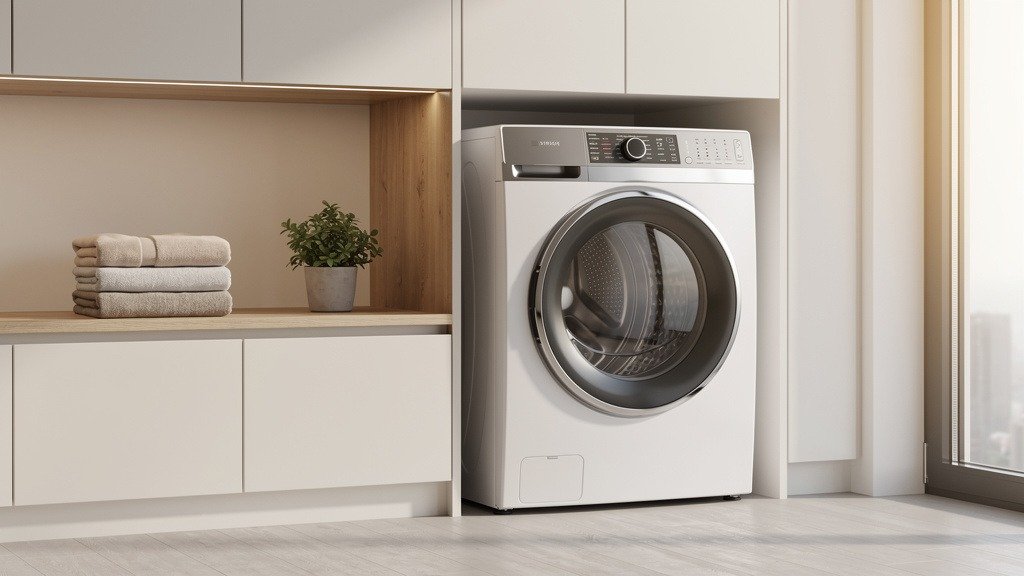
Who’s responsible for what when your dryer starts acting up? It’s messier than you’d think. Most of the time, it comes down to who owns the appliance, who controls the vent system, and what your lease or HOA paperwork actually says (assuming you can find it). You’ll usually handle the day-to-day stuff, while property management deals with the shared infrastructure that could mess with everyone else’s units.
When your dryer suddenly won’t heat up or takes forever to dry a simple load, figuring out who’s supposed to fix what becomes priority number one. Nobody wants to get stuck paying for repairs that aren’t their responsibility, and nobody wants their building to burn down either.
Understanding Dryer Repair Responsibilities in Multi-Unit Dwellings
Here’s where it gets interesting. Most buildings treat what’s inside your unit completely differently from the stuff that connects to the building’s systems.
The factors that usually determine who fixes what:
- Who actually owns the dryer (you or your landlord)
- Whether that exhaust duct serves just your unit or runs through shared building spaces
- What the fine print says in your condo bylaws, lease, or those addenda nobody reads
- Whether fixing it means accessing the roof, locked rooms, or vertical shafts
What residents handle versus what the building controls
You’re typically on the hook for the obvious maintenance tasks. Clean that lint screen after every load. Keep the area around your dryer clear. Don’t let lint bunnies take over your laundry room.
Building management? They handle anything that involves cutting into walls, messing with ceilings, or working on shared exhaust shafts. Makes sense when you think about it – one person’s “quick fix” could create airflow problems for three other units.
The tricky part is that you can often diagnose problems faster than maintenance can, but you can’t just start modifying vent systems without permission. That’s how you end up violating building rules and creating new safety hazards.
Warning signs that mean it’s time to escalate
It is advisable to call maintenance if you notice any of these: musty smells, burning odors, your laundry room feeling like a sauna, surfaces getting too hot to touch, or the dryer shutting itself off repeatedly.
When you’re not sure who’s responsible, don’t let that confusion delay reporting a potential safety issue.
Document what you’re seeing, then let property management or your HOA coordinate access to those shared duct runs they control.
Understanding responsibility is step one. Now let’s talk about actually getting permission to fix things.
Navigating Apartment and Condo Dryer Repair Approval Processes
Your dryer stops heating, starts tripping breakers, or develops that concerning burning smell. What now? In multi-unit housing, the fastest way to get things fixed safely is following your building’s approval process. Skip the property manager or HOA, and you might end up waiting longer or dealing with liability issues down the road.

Most dryer problems in apartments and condos involve shared vent systems somehow, so here’s how to stay on the right side of building management.
Getting approval without the runaround
- Stop using the dryer and document everything. Write down exactly what’s happening – no heat, takes three cycles to dry one load, that burning smell when you open the door. If there’s visible lint around the screen or exhaust area, note that too.
- Find the right person to contact. Rentals? Property manager. Condos? HOA. Use whatever method they prefer – online portal, email, phone. Don’t just show up at the office.
- Mention the vent system upfront. Ask whether your exhaust route is shared or passes through common areas. Shared ducting almost always triggers their formal approval process.
- Get written approval before scheduling anyone. This prevents access problems, billing disputes, and arguments about who said what.
- Confirm access requirements. Many buildings need advance scheduling, insurance certificates from contractors, or escorts for mechanical rooms and roof areas.
- Be clear about scope and responsibility. Appliance repair versus vent work. HOA tasks versus what you handle inside your unit.
What to include in your repair request
Photos help. Take pictures of the lint screen area and the model tag on your dryer. Describe any spots where heat and lint might be collecting abnormally.
Note any odors, overheating, or repeated shutdowns – these connect to fire risk, which gets attention faster than “my clothes aren’t drying well.”
Choosing vendors and understanding trade-offs
If your vent line is long, shared, or hard to access, ask about professional vent cleaning. Better airflow means fewer repeat service calls.
Getting repairs approved is one thing. Preventing problems in the first place? That’s usually on you.
Essential Dryer Maintenance for Apartment and Condo Residents
Regular dryer maintenance in apartments and condos isn’t just about convenience. It’s about safety, efficiency, and avoiding those repair requests that turn into multi-week sagas with building management.
You can handle the daily stuff. Property management typically deals with the shared vent system that serves multiple units.
Safety considerations for shared systems
Dryers push hot air and lint through vent systems, and lint buildup is a major fire risk.
In shared vent systems, your unit’s problem can affect your neighbors, and their problems can affect you.
Maintenance tasks you can handle yourself
- Clean that lint screen every single load. Not every few loads. Every load. This one habit prevents most airflow problems.
- Check for internal lint traps. Some dryer models have additional lint-catching areas inside the unit. Follow manufacturer instructions if you can access these safely. Don’t start disassembling things.
- Wipe down the door seal and drum edge weekly. Lint around the door causes leaks, overheating, and strange smells during operation.
- Give your dryer room to breathe. Don’t crush the exhaust hose behind the unit. Restricted airflow makes everything work harder and get hotter.
- Watch for warning signs of vent blockage. Longer cycles, exterior panels getting unusually hot, persistent odors that cleaning the lint screen doesn’t fix.
- Report vent concerns early. In condos and apartments, property management or the HOA controls building duct runs, roof terminations, and booster fans.
- Consider professional vent cleaning when DIY isn’t enough. Professional cleaning can restore airflow in sections you can’t safely access.
Climate and timing considerations
Professional cleaning improves safety and efficiency, but it requires coordination, access approvals, and some downtime.
Even with good maintenance habits, things go wrong. Knowing common problems helps you respond appropriately.
Common Dryer Problems and When to Call for Professional Help
When your apartment or condo dryer needs multiple cycles for one load, smells funky, or shuts off randomly, treat it as either an airflow problem or an electrical/heating issue. In multi-unit housing, the cause often lies outside your unit – especially with shared duct configurations where one blockage affects multiple residents.
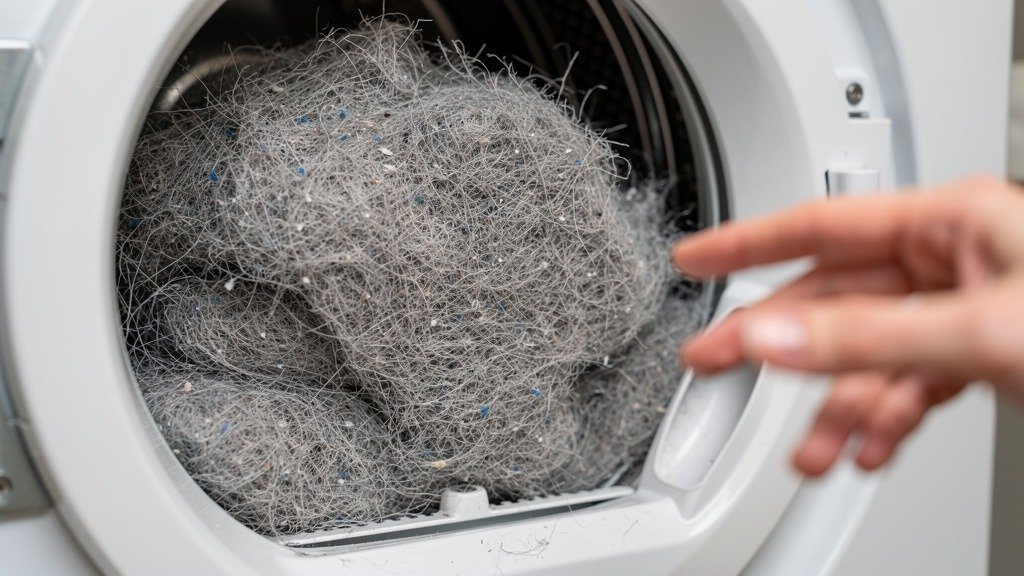
Here’s how to figure out what to report and when to stop using the dryer entirely.
Signs pointing to vent and airflow problems
Long dry times and excessive heat usually mean restricted airflow somewhere in the vent system. Lint buildup is the usual suspect. Internal lint-catching areas in your dryer can also contribute to overheating and poor performance.
Report these observations to property management or your HOA:
- Clothes staying damp after normal cycles
- Dryer exterior or laundry room feeling unusually hot
- Lint appearing around the cabinet or vent connection
- Musty or burning smells during operation
Problems requiring immediate professional attention
Stop the cycle and request professional help for any of these conditions, because they’re associated with fire risk:
- Burning smell that persists after clearing visible lint
- Breaker trips, buzzing sounds, or signs of electrical problems
- Dryer stops heating, then overheats on subsequent cycles
- Smoke, burn marks, or melted vent materials
A practical decision-making approach
Here’s a useful rule: separate “inside your unit” from “building infrastructure.” If you suspect a shared vent path is involved, you typically can’t verify or access the full duct run safely without authorization. Escalation beats trial-and-error DIY every time.
Let’s address some specific questions that come up frequently.
Frequently Asked Questions About Apartment and Condo Dryer Repair
Responsibilities and approvals in multi-unit housing
Q: What dryer repairs are you responsible for in a condo? A: Condo repair responsibilities usually split between what’s inside your unit and what’s part of the building infrastructure. You often handle the appliance you own and routine maintenance, while the HOA or building manages shared vent systems serving multiple units. Check your declaration, rules, and any written policies about owner responsibilities for vent systems.
Key things to verify: Who owns the dryer, and who controls the vent system beyond your unit wall. Repairs affecting shared ducts often require building management approval.
Q: Who approves dryer vent or duct repairs in a condo? A: Start with your property manager or HOA because work can affect neighboring units. Many buildings require licensed vendors, scheduled access, and proof that repairs won’t disrupt airflow for other units. This is where HOA policies about vent system management typically come into play.
Landlords, renters, and apartment rules
Q: Are landlords responsible for fixing washers and dryers? A: Rental property dryer repair responsibility depends on your lease and whether the landlord provided the dryer. If the landlord supplied it, report problems promptly and avoid unauthorized repairs – especially when you notice burning smells or other safety concerns.
Workflow tip: Report in writing, include symptoms, and note whether the dryer is overheating, shutting off, or not drying properly.
Q: What are apartment maintenance duties related to dryers? A: Under apartment maintenance policies, on-site teams often coordinate diagnostics, verify electrical and exhaust conditions, and process approved work orders. Maintenance may also manage access to roof terminations or shared chases when the vent system isn’t unit-controlled.
Dryer vents, cleaning schedules, and safety signals
Q: Who’s responsible for cleaning dryer vents in condos? A: Responsibility typically follows control. If the vent run serves only your unit, cleaning often falls to you or the unit owner. Shared ducting is commonly managed by the HOA or property management.
Q: How often should you clean dryer vents in a condo? A: It is often recommended to establish a regular schedule based on actual usage and verified lint buildup, not guesswork. Increase frequency if drying times increase, if internal areas seem unusually hot, or if odors develop.
Let’s wrap up with the key points for managing dryer issues effectively.
Key Takeaways for Dryer Repair in Shared Living Spaces
Dryer problems in multi-unit housing are rarely just about your individual appliance. The fastest, safest outcomes happen when you align condo repair requirements and apartment maintenance rules with shared vent systems and building approval processes.
Preventing responsibility disputes
Treat rental property dryer repair as a coordination challenge: document symptoms, notify property management, and follow HOA procedures before any contractor touches common building elements. Clarify dryer vent cleaning responsibilities and HOA policies early, especially when multi-unit vent systems run through walls or shafts shared by multiple residents.
Safety signals that demand immediate action
Stop using your dryer and report immediately when you notice clogged vent warning signs: musty or burning smells, excessive lint buildup, or areas becoming unusually hot. These conditions contribute to dryer fires and property damage, so err on the side of caution.
Preventive approach for reliable operation
- Clean lint screens consistently and maintain clear airflow paths
- Request inspection when drying times increase, even if the dryer still operates
- Consider professional vent cleaning benefits versus the risk of hidden blockages
Following these guidelines helps ensure dryers operate safely and efficiently while maintaining good relationships with property management and neighbors.