


Understanding Dryer Repair Service Radius Limitations
So your dryer’s acting up again? Won’t dry clothes properly, or maybe it’s given up entirely? Here’s the thing that catches most folks off guard: whether you can even get someone out to look at it depends on something called a service radius. Basically, it’s how far repair companies are willing to travel for house calls.
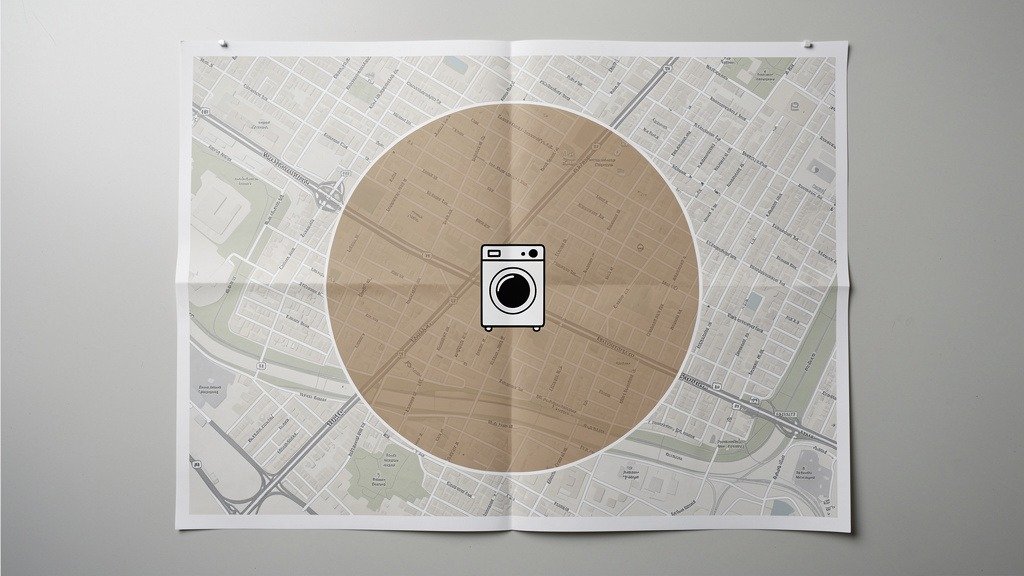
Think of it this way – every repair outfit has drawn an invisible circle around their operation. Inside that circle? You’re golden. Outside it? Well, you might be searching for alternatives. The radius determines if a repair crew can actually reach your place without turning your simple dryer fix into an all-day expedition.
What a service radius means in dryer repair
Companies typically define their coverage in two main ways:
Distance-based radius: They’ll travel X miles from their shop, warehouse, or wherever their techs start their day. Pretty straightforward.
Time-based radius: This one’s more about drive time than actual miles. Makes sense when you think about it – 15 miles through downtown traffic isn’t the same as 15 miles on open highway.
You’ll hear companies throw around numbers like “we cover a 15-mile radius” or “30-mile service area.” But here’s what they don’t always mention: those numbers aren’t some industry standard. Each company picks what works for their setup and local driving conditions.
Radius versus defined service area coverage
Here’s where it gets a bit tricky. A radius is just a circle on a map, right? But a defined service area? That’s more like a curated list of places they’ve decided to support. Could be specific zip codes, certain cities, or entire counties.
This distinction really matters if you’re somewhere like New York State. Traffic’s unpredictable, bridges can turn a quick trip into a nightmare, and what looks close on paper might take forever to reach. I’ve seen companies that are technically “within 20 miles” but won’t service certain zip codes. Or they’ll cover your county but can’t promise same-day service because of routing constraints.
Why service radius limitations exist for businesses
Look, these limitations aren’t just companies being difficult. They’re trying to protect something pretty important: response time and service quality across all the different dryer brands and models they work on.
It’s a balancing act. Expand the radius too far, and suddenly they can’t keep reliable schedules. Techs are rushing through diagnostics because they’ve got three more stops across town. Nobody wins in that scenario.
Most reputable outfits – companies like G & G Appliance Service, for example – use these radius rules to maintain clear, upfront pricing. No surprise fees showing up because the tech had to drive through three toll zones to reach you.
Now that we’ve covered the basics of service areas, let’s dig into how companies actually price their services within these zones.
Service Area Pricing Models and Travel Fees Explained
Pricing isn’t just about fixing your busted dryer. It’s about dispatch logistics, scheduling puzzles, and converting all that travel time and gas money into something that makes sense on your bill. The best companies spell out their travel rules upfront and show exactly how they handle tolls, parking fees, and those surprise routing challenges that pop up constantly in places like New York State.

Common pricing models and how travel is included
Dryer repair companies approach pricing in several ways. Some charge hourly, others use flat fees, and many mix it up with hybrid models that separate travel costs from actual repair work. The key difference? How predictable your final bill will be when your house isn’t exactly next door to their shop.
| Pricing model | What you’re paying for | How travel costs appear | Works best for | Potential gotchas |
|---|---|---|---|---|
| — | — | — | — | — |
| Hourly labor | Time spent at your place, sometimes includes trip and diagnostic | Often a separate line item, or rolled into minimum billable time | Unusual problems across different dryer brands | Bill can balloon if troubleshooting takes longer than expected |
| Flat-rate repair | Set price for specific repair tasks | Sometimes baked into the flat fee, sometimes separate | Common, straightforward repairs on major brands | Double-check what’s excluded – parts, extra labor, return visits |
| Trip charge + diagnostic + quoted repair | Pay for dispatch and diagnosis first, then approve actual repair | Clear trip charge that varies by distance, tolls, parking | Customers who want control over spending | Ask if diagnostic fee gets credited toward repair cost |
| Membership or service plan | Annual or monthly coverage deals | May limit you to tighter service radius | Households with multiple appliances | Coverage usually has exclusions and spending caps |
Pro tip: The office staff typically owns the accuracy of quotes, but your actual technician owns the diagnosis. Get both in writing before giving the green light on any work.
What a typical dryer repair bill includes
A decent invoice breaks everything down clearly:
- Trip or dispatch charge (usually tied to how far they traveled)
- Diagnostic fee (the detective work to figure out what’s wrong)
- Labor (either hourly or flat-rate for the specific task)
- Parts (brand-specific components for your dryer model)
- Access costs (tolls, parking, sometimes special building access requirements)
Good companies aim for transparency by listing these items before they even show up, or at minimum before starting any actual repair work. If the initial quote seems vague, push for a written, itemized estimate. Your final bill shouldn’t change without your approval.
Repair versus replace decision: Many pros use something called the “50 Rule” as a quick gut check. If the estimated repair cost hits around half of what a comparable replacement would cost, seriously consider replacement – especially when major components are involved. Not a hard rule, but it helps frame the decision.
Visualizing coverage using a service area coverage map
Service area maps help customers predict travel fees before booking. You’ll typically see two formats:
Interactive maps: Let dispatchers validate your address instantly Static image maps: Show rough boundaries but can be less precise
When available, use address or ZIP code lookup tools:
- Enter your complete address or ZIP code
- Check if you’re in the primary zone or extended coverage area
- Review any notes about toll routes, parking issues, or appointment windows
If you’re on the edge or outside the main service area, ask about extended-area dispatch options, scheduled route days, or referrals to local techs closer to your location. Field service companies use this same approach: publish clear boundaries, then offer straightforward “extended zone” policies instead of leaving customers guessing.
Understanding pricing models matters, but knowing how to find reliable service and avoid common traps is equally crucial.
Navigating Dryer Repair Services and Avoiding Common Mistakes
When your dryer stops doing its job, most delays and billing surprises come from preventable mistakes during the selection and scheduling process. The smartest approach? Confirm technician qualifications, verify parts and brand expertise, and nail down travel policies before booking anything. If you’re in New York State, asking about routing constraints early can save major headaches – drive times can swing wildly depending on where your appointment lands in their daily route.
Mistake One: Choosing Speed Over Qualifications
Fast appointments feel great until you realize the tech can’t actually handle your specific situation. Then you’re looking at repeat visits, more scheduling hassles, and potentially higher costs.
Quick screening checklist before you schedule:
- Does the company employ techs who actually know your dryer type and brand?
- What does “vetted and certified” mean in their process? (Don’t just accept the buzzwords)
- Do they regularly work on products from major manufacturers, especially if your unit is newer or has specialized controls?
- How do they identify and order parts if the first visit is diagnostic-only?
Trade-off to understand: Companies with broader brand coverage can often solve problems in one visit, but availability might depend on staffing and parts supply chains.
Mistake Two: Not Locking Down the Final Price
Billing confusion usually starts with quotes that don’t match invoices. Trustworthy companies state their pricing structure clearly and explain exactly what triggers additional charges.
Get these details in writing:
- What’s included in the service call versus labor and parts
- Are there truly no hidden fees, including parking, tolls, or after-hours scheduling?
- Do they offer flat-fee options or itemized pricing, and when does each apply?
Mistake Three: DIY Without a Stop Rule
DIY dryer repair makes sense for basic maintenance, but you need clear boundaries. Use this stop rule: if the work involves electrical testing, gas connections, or repeated overheating symptoms, schedule professional service instead of extending your downtime.
Workflow hint: Advanced ordering systems can speed up rescheduling and parts coordination, but only if the model number and symptoms get captured accurately during initial booking.
With better expectations and awareness of potential issues, let’s tackle some frequently asked questions about dryer repair service coverage.
A clear, direct answer to ‘What is a service radius?’ in the context of appliance repair
Direct definition for appliance repair
What’s a service radius? In appliance repair, it’s the practical boundary companies use to decide whether they’ll send a technician to your specific address for an in-home visit. This boundary might be based on distance, drive time, or routing rules that keep their scheduling manageable. Service radius limitations basically define where a provider can realistically deliver consistent appointment windows and reliable support.
This has nothing to do with the RADIUS network protocol, which unfortunately shows up in search results and confuses everyone.
What a service radius controls for homeowners
When your dryer isn’t drying clothes or has completely stopped working, the service radius affects what you can actually book and how reliable that appointment will be. This is especially true in New York State, where travel conditions can vary dramatically by route.
Key ways service radius shows up in real booking situations:
- Whether your address falls inside the dryer repair service area
- Whether they can send a qualified technician who’s actually experienced with your situation
- Whether the provider can handle various dryer models, including units from major manufacturers
- Whether they can give you a clear, final price upfront instead of revising it after dispatch
Practical constraints and trade-offs to know
Wider radius means better availability but potentially less schedule flexibility – longer drives limit how many same-day stops a technician can complete. Tighter radius improves speed and consistency but might exclude addresses that look close on a map.
Workflow hint: Confirm eligibility first using the company’s ordering system, then verify exact address details before spending time on troubleshooting.
For readers comparing providers for dryer repair in New York, the next step is understanding how companies actually draw those service boundaries and how those choices affect your costs.
A comprehensive guide to how service area boundaries are determined and how they affect pricing
Direct answer on why boundaries exist
Service area boundaries exist because in-home dryer work requires balancing customer urgency with routing reality. When your unit stops drying clothes or quits entirely, the fastest appointment usually comes from boundaries that match where teams can reliably dispatch, stock parts, and maintain predictable schedules.
What companies use to draw a service area
Most providers combine practical dispatch factors rather than drawing perfect circles on maps:
Technician density and location: More local dryer repair techs in a corridor usually means wider same-day reach, because travel distance and technician availability stay manageable.
Traffic patterns and drive-time calculations: Drive time, toll routes, and parking constraints can turn a “close” area into a slow one, affecting final pricing.
Economic viability: Longer trips need to justify time, fuel, and opportunity costs, or companies risk hidden fees appearing later.
When boundaries flex and what to ask
Boundaries often expand for specialist work on various dryer models, including major manufacturers and high-end brands, when experienced, certified technicians are required. Ask who handles dispatch in their ordering system, and whether maintenance visits get routed differently from urgent repairs.
Next, use travel-fee estimation to confirm service availability for your specific address.
An interactive tool or calculator for estimating travel fees or confirming service availability
Direct answer and why it matters
When your dryer stops drying clothes or breaks down completely, a ZIP-based lookup answers two urgent questions: how far will repair technicians travel, and what travel charges might apply? A useful service area map or “radius calculator” turns service limitations into clear, bookable decisions.
What the lookup should return
For New York State homeowners, a practical tool should display:
- In-area status for local dryer repair techs and next available appointment slots
- Travel zone tied to dryer repair distance, plus projected price range (not surprise add-ons)
- Notes about tolls, parking, and parts runs to avoid hidden fees
- Brand coverage for various dryer models from major manufacturers
- Technician credentials and experience levels
Quick workflow for teams and homeowners
- Enter ZIP code and appliance type
- Confirm service model (including flat-fee options if offered)
- If out of area, route to referral guidance or DIY safety steps
Companies like G & G Appliance Service can use this same framework to confirm availability before dispatch and reduce rescheduling.
Next, let’s review the most common questions homeowners ask about coverage, travel fees, and scheduling.
Frequently Asked Questions About Dryer Repair Service Coverage
Service radius and travel distance questions
Q: How far will repair technicians travel?
A: Travel policies vary by provider, but the decision usually comes down to service radius limitations tied to drive time, dispatch routes, and technician availability. A published service area map is your fastest way to confirm whether your address qualifies and avoid booking delays when your dryer stops drying clothes or breaks down. Ask the dispatcher to confirm expected travel distance in writing before finalizing the appointment.
Q: What’s the 30-60-90 rule for cars, and does it matter for appliance service?
A: The “30-60-90 rule” gets used as a planning concept for travel time tiers, but appliance companies define tiers differently. Use the idea as a prompt to ask what changes at each distance tier – things like scheduling windows, trip charges, or priority routing in New York State.
Pricing, labor, and the service call
Q: How much is a dryer service call?
A: Costs vary depending on the provider, travel requirements, and what the diagnostic process reveals. To protect your final price, ask whether they offer flat-fee options and request written explanation of trip charges, parts approval, and fee structures.
Q: Is $100 an hour fair for mechanic labor?
A: “Fair” depends on what’s included – diagnostics, insurance overhead, warranty handling – so comparisons only work when scope matches. For dryer work, ask whether labor is time-based or flat rate, and what happens if a second visit is needed (common trade-off between speed and cost certainty).
Technician availability, qualifications, and brand coverage
Q: How often do tower technicians travel?
A: Tower work gets routed differently than appliance work, but the underlying constraint is similar: long travel reduces same-day capacity. When evaluating providers like G & G Appliance Service, ask whether they use advanced ordering systems to route local dryer repair techs efficiently and reduce long-distance dispatching.
Q: Can technicians handle various dryer brands and models?
A: Many companies cover multiple dryer models, but coverage isn’t universal. Ask whether their dryer repair technicians are vetted and certified, whether they’re experienced with major manufacturers, and whether common parts are stocked for your brand.
Trust signals and DIY decision points
Q: How to spot a dishonest mechanic, or an unreliable appliance provider?
A: Look for process clarity before any work begins. Quick checklist:
- Written scope for diagnostics and approval steps
- Clear travel and trip-charge policy tied to your address
- Itemized quote before parts installation
- Warranty terms stated upfront
Q: Should I attempt DIY dryer repair before booking?
A: DIY can help for non-invasive checks, but stop if the work involves gas, electrical exposure, or disassembly beyond the lint path. When safety is uncertain or repeat symptoms return, schedule a professional visit and confirm coverage first.
To wrap up, understanding service coverage is essential for a smooth dryer repair experience.
Key Takeaways for Dryer Repair Service Area Navigation
When your dryer stops drying clothes or breaks down completely, clear travel rules prevent delays and billing surprises. Use published service area maps to confirm service radius limitations, ask how far repair technicians will travel, and verify your dryer repair travel distance before booking – especially important for New York State homeowners.
Pricing clarity and what drives the total
- Compare flat-fee service versus hourly rates, then request final pricing in writing with transparent fee structures
- Travel costs often reflect travel distance plus tolls and parking, which can change the final invoice
What a typical bill includes and the repair replace decision
Typical bills itemize: trip charge, diagnostics, labor, and parts. Use the “50 Rule” as a practical checkpoint: if repair estimates approach half the replacement cost, consider replacement, particularly for older units and various dryer models from major manufacturers.
Next step for faster scheduling
Confirm dryer repair technicians are experienced, vetted and certified, and booked through advanced ordering systems like G & G Appliance Service, or select local dryer repair techs if coverage is tighter than expected. Skip DIY dryer repair when safety or uncertainty is high.
Armed with this knowledge, you’re now better prepared to find reliable dryer repair services.